 ドイツ · 17世紀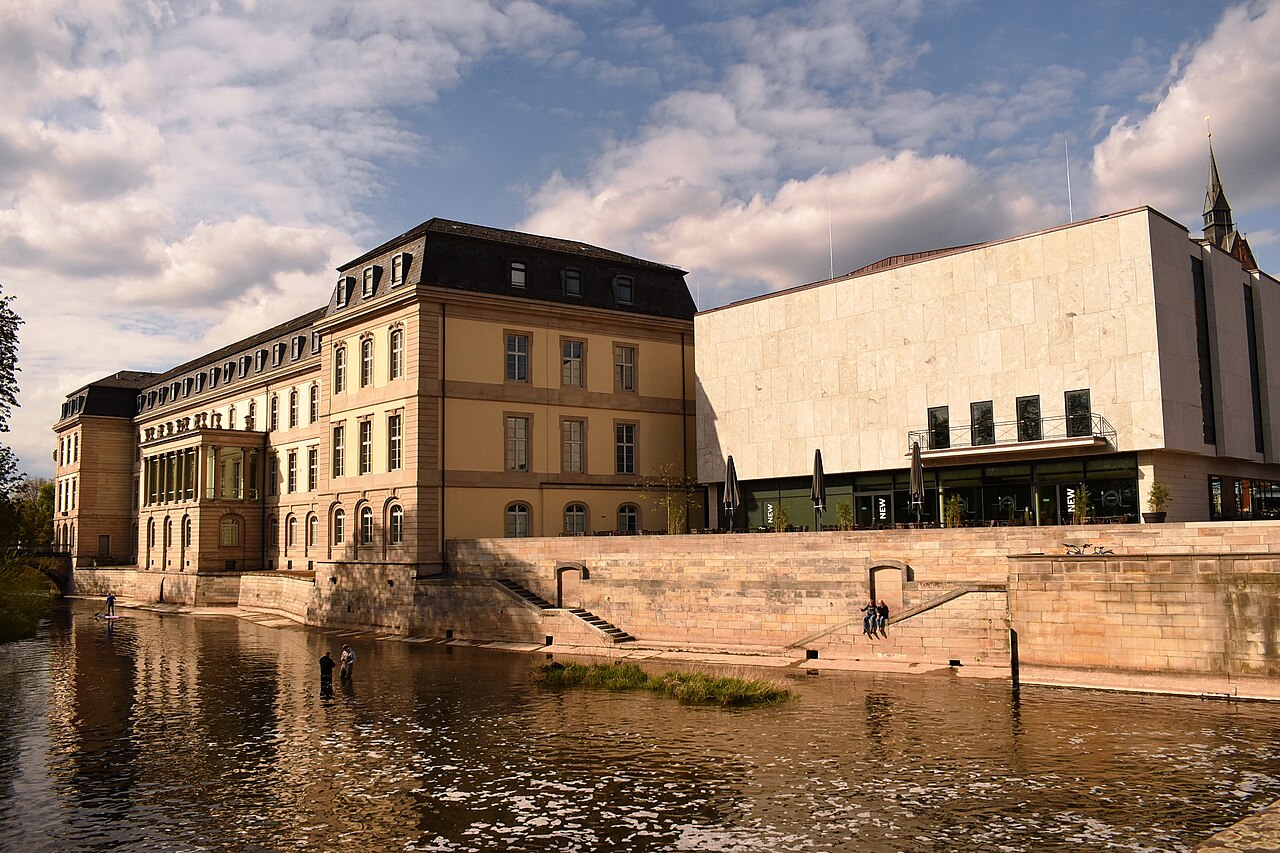
ライネ宮殿(ドイツ語:Leineschloss)は、ドイツのハノーファーのライネ川沿いに位置し、ハノーファーの公、選帝侯、国王のかつての居城である。現在はニーダーザクセン州議会(Landtag)の所在地となっている。
この場所に最初に建てられたのは1300年頃に建設されたフランシスコ会修道院で、宗教改革後の1533年に放棄された。1636年、ブラウンシュヴァイク=リューネブルク公ゲオルクは、カレンベルク侯領の統治者としての居所とするため、この修道院をやや小規模な後期ルネサンス様式の宮殿へ改築し始めた。かつての修道院教会は城の礼拝堂および王家の埋葬地として用いられた。その子である選帝侯エルンスト・アウグストは17世紀後半にこれを拡張・近代化し、劇場を加えた。侯領は1692年にハノーファー選帝侯領に昇格した。1742年には北西翼が新築された。1660年5月28日、エルンスト・アウグストの子であるグレートブリテン王ジョージ1世がライネ宮殿で生まれた。
1814年以降、それまで選帝侯の宮殿であった建物はハノーファー王国の居城となった。1816年から1844年にかけて、建築家ゲオルク・ルートヴィヒ・フリードリヒ・ラーヴェスが宮殿を全面的に建て直した。6本のコリント式円柱を持つ列柱玄関はこの時期に建てられた。ジョージ3世の末子であるケンブリッジ公アドルファス王子は1816年からハノーファー副王を務めた。エルンスト・アウグスト王とゲオルク5世王は、1837年から1866年の間、州都およびライネ宮殿を主たる居所とした最初にして唯一の君主であった。もっとも、主たる居所をヴェルフェン城へ移すことが意図されていた。
第二次世界大戦中、ライネ宮殿は連合軍の空襲後の火災によって完全に破壊された。グレートブリテン王ジョージ1世は当初宮殿の礼拝堂に埋葬されていたが、その遺骨は両親のものとともに、第二次世界大戦後にヘレンハウゼン宮殿のベルクガルテンにある19世紀のエルンスト・アウグスト廟に移された。建築家ディーター・エスターレンが1957年から1962年にかけて宮殿を再建した。
2016年8月、改修工事中に宮殿内で骨が発見された。それは、後のグレートブリテン王ジョージ1世の妻の愛人であり、1694年7月にそこで殺害されたフィリップ・クリストフ・フォン・ケーニヒスマルクの遺骨であると考えられた。しかしその後の検査により、骨の一部は動物のものであり、人骨は少なくとも5体の異なる骨格に由来することが判明した。
英語版ウィキペディア「Leineschloss」より機械翻訳、CC BY-SA 4.0。
ライネ城は、アトラスの城の知名度ランキングで世界1,544位(全9,035件中)、ドイツの709件では123位にランクされています。1636年に創建され、アトラスの年代判明済みの城の27%より古い城です(17世紀に創建されたアトラス収録の708件のひとつ)。 Wikipediaの記事は直近60日で3,774回読まれ、アトラス収録の82%より多くの読者を集めています。半径25キロ以内にはアトラス収録の城が4件あります。ドイツが他とどう比べられるかは、城の統計をご覧ください。
インタラクティブ地図で見る →