Twierdza
Myeonghwalseong Fortress
🇰🇷 Korea Południowa · VII wiek
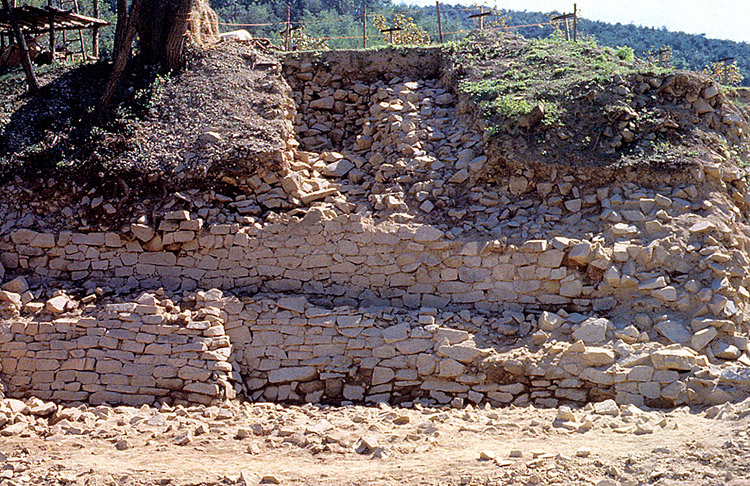
Myeonghwalseong (kor. 명활성; hancha: 明活城), znana też jako Myeonghwalsanseong (명활산성; 明活山城), była koreańską twierdzą z okresu Silla, położoną na górze Myeonghwalsan, w dzisiejszym Gyeongju w Korei Południowej. 21 stycznia 1963 roku uznano ją za zabytek historyczny Korei Południowej nr 47. Stanowi część obiektu światowego dziedzictwa UNESCO pod nazwą Historyczne obszary Gyeongju, jako część pasa twierdz górskich Sanseong.
Nie wiadomo dokładnie, kiedy twierdza została po raz pierwszy wzniesiona. W kronice Samguk sagi znajduje się zapis o ataku na twierdzę w 405 roku (kalendarz koreański). W 431 roku została zaatakowana przez japońskich najeźdźców. Odremontowano ją w 473 roku, a król Jabi przeniósł się do niej w 475 roku. Istnieją zapisy o jej odbudowie w latach 551, 554 i 593. Prawdopodobnie została porzucona po 647 roku, po zdobyciu jej przez zbuntowanych żołnierzy Bidama. Nie ma znanych śladów aktywności w tym miejscu, datowanych na okres po VII wieku.
Obecnie twierdza znajduje się w większości w ruinie. Prace archeologiczne zidentyfikowały sześć miejsc, w których prawdopodobnie stały niegdyś budynki. Badania na miejscu przeprowadzono w 1998 roku. W latach 2012–2014 przeprowadzono kolejne badania, które wykazały dalsze dowody na to, że twierdza była wielokrotnie odbudowywana.
Tłumaczenie maszynowe artykułu „Myeonghwalseong” w angielskiej Wikipedii, CC BY-SA 4.0.
Myeonghwalseong Fortress zajmuje 7862. miejsce na 8134 w rankingu rozpoznawalności zamków tego atlasu i 38. wśród 58 obiektów w Korei Południowej. Data powstania — ok. 650, wcześniejsza niż u 96% datowanych obiektów atlasu — jeden z 31 obiektów atlasu powstałych w VII wieku. W promieniu 25 km stoi 5 innych obiektów atlasu. Najbliższy przewodnik na jednodniowy wypad to Gyeongju, 4 km stąd. Zobacz w statystykach zamków, jak wypada Korea Południowa.
Zobacz na interaktywnej mapie zamków →Najczęstsze pytania
Gdzie znajduje się Myeonghwalseong Fortress?
Myeonghwalseong Fortress znajduje się w Korei Południowej, na współrzędnych 35.83556°, 129.25528°.
Z którego roku pochodzi Myeonghwalseong Fortress?
Atlas podaje rok powstania: ok. 650. Wcześniejsze budowle mogły stać w tym miejscu — to najstarszy udokumentowany rok.
Które miejsce w rankingu zajmuje Myeonghwalseong Fortress?
W rankingu rozpoznawalności tego atlasu: 7862. miejsce na 8134, 38. miejsce w Korei Południowej. Rozpoznawalność łączy liczbę wersji językowych Wikipedii z liczbą czytelników.
Myeonghwalseong Fortress — który zamek leży najbliżej?
Wolseong, około 3 km stąd.
Inne zamki w Korei Południowej
- Ch'ŏngmasansŏng Korea Południowa
- Changnyeong Mokmasanseong Fortress Korea Południowa
- Gupo Waeseong Korea Południowa
- Gyeonhwonsanseong Fortress Korea Południowa
Inne obiekty: twierdze
- Fortress of Ghat Libia
- Urabi Fortress Egipt
- Dzivgis Cave Fortress Rosja
- Kremlin of Pereslavl-Zalessky Rosja