Twierdza
Shusha Fortress
🇦🇿 Azerbejdżan · XVIII wiek
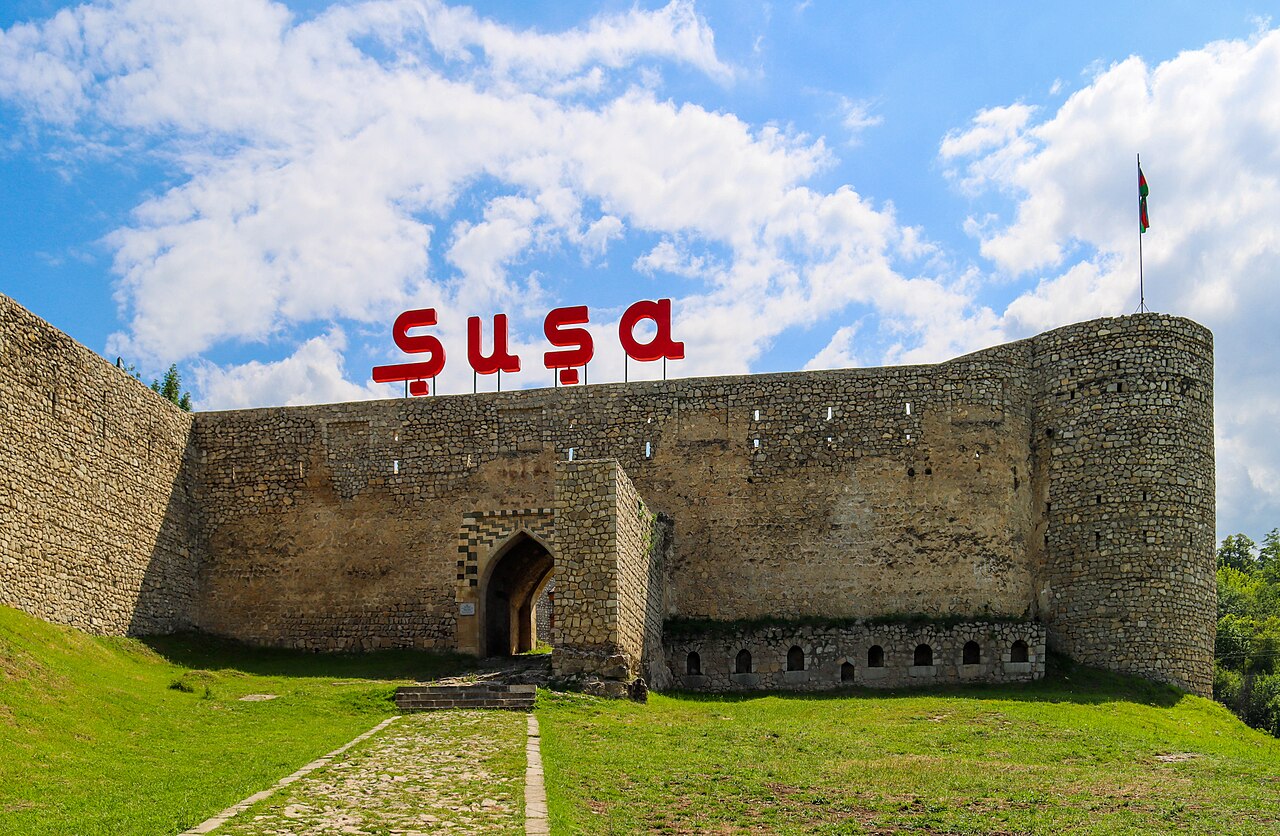
Twierdza Szusza (azer. Şuşa qalası, pers. قلعه شوش) lub twierdza Szuszi (orm. Շուշիի բերդ) to twierdza otaczająca historyczne centrum Szuszy. Nowo podbite miasto-twierdzę nazwano „twierdzą Panahabad”, na cześć Panah Ali Chana, który wraz z Melikiem Szahnazarem był założycielem fortu. W późniejszych latach miasto nazywano po prostu „Twierdzą”. Osada w Szuszy po raz pierwszy wzmiankowana jest w XV-wiecznej ilustrowanej ormiańskiej ewangelii, która wspomina „wieś Szuszu”.
Obszar, na którym zbudowano twierdzę Szusza, to górzysty płaskowyż w kształcie amfiteatru od strony zachodniej, z licznymi wzgórzami i rozpadlinami. Najwyższa część płaskowyżu znajduje się na wysokości 1600 metrów, a najniższa na 1300 metrów nad poziomem morza. Obecnie teren miasta Szusza obejmuje płaskowyż z wzgórzem położonym wzdłużnie w jego centrum. Architektura twierdzy Szusza odzwierciedla podstawowe zasady architektury okresu feudalnego, zarówno pod względem wyboru lokalizacji, planowania strukturalnego, jak i artystycznego wyglądu fortu.
Twierdza Szusza miała trzy główne bramy: Bramę Gandżi, Bramę Erywańską i Bramę Aghoghlan. Nazwy wszystkich tych bram są często wspominane w źródłach historycznych, a także na wszystkich XIX-wiecznych planach Szuszy.
Tłumaczenie maszynowe artykułu „Shusha fortress” w angielskiej Wikipedii, CC BY-SA 4.0.
Shusha Fortress zajmuje 1835. miejsce na 8134 w rankingu rozpoznawalności zamków tego atlasu i 3. wśród 45 obiektów w Azerbejdżanie. Data powstania — 1752, wcześniejsza niż u 17% datowanych obiektów atlasu — jeden z 556 obiektów atlasu powstałych w XVIII wieku. Artykuły o tym obiekcie w Wikipedii otwarto 1909 razy w ciągu ostatnich 60 dni — więcej niż 66% obiektów atlasu. W promieniu 25 km stoi 2 innych obiektów atlasu. Zobacz w statystykach zamków, jak wypada Azerbejdżan.
Zobacz na interaktywnej mapie zamków →Najczęstsze pytania
Gdzie znajduje się Shusha Fortress?
Shusha Fortress znajduje się w Azerbejdżanie, na współrzędnych 39.76611°, 46.75111°.
Z którego roku pochodzi Shusha Fortress?
Atlas podaje rok powstania: 1752. Wcześniejsze budowle mogły stać w tym miejscu — to najstarszy udokumentowany rok.
Które miejsce w rankingu zajmuje Shusha Fortress?
W rankingu rozpoznawalności tego atlasu: 1835. miejsce na 8134, 3. miejsce w Azerbejdżanie. Rozpoznawalność łączy liczbę wersji językowych Wikipedii z liczbą czytelników.
Shusha Fortress — który zamek leży najbliżej?
Hajigulular Palace, około 1 km stąd.
Inne zamki w Azerbejdżanie
- Round Tower (Mardakan) Azerbejdżan · XIII wiek
- Shahbulag Castle Azerbejdżan · XVIII wiek
- Quadrangular castle Azerbejdżan · XIII wiek
- Sabayil Castle Azerbejdżan · XIII wiek
Inne obiekty: twierdze
- Azov Fortress Rosja · XV wiek
- Skansin Wyspy Owcze · XVI wiek
- Fort Provintia Tajwan · XVII wiek
- Ramnagar Fort Indie · XVIII wiek