Castle
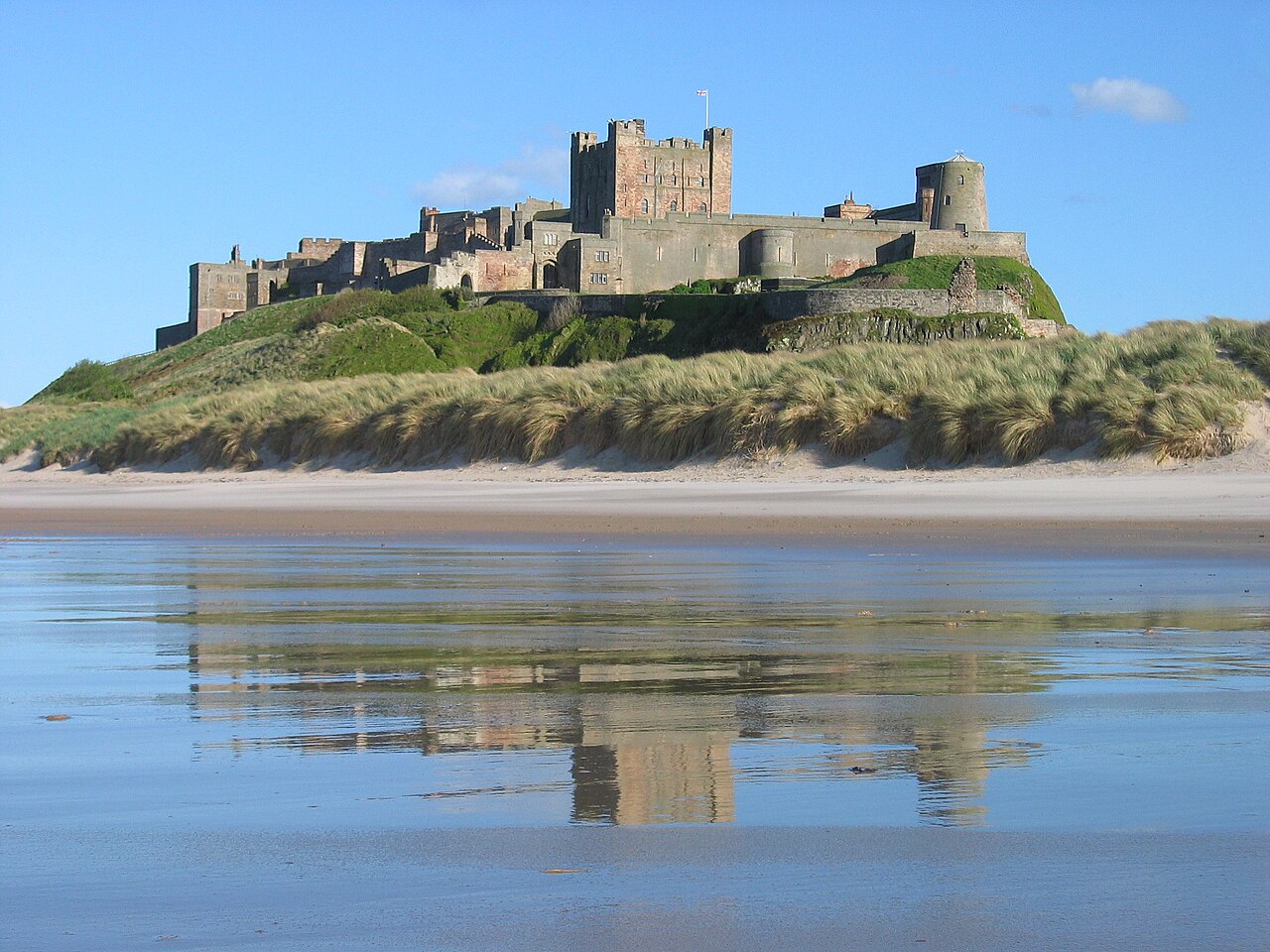
Bamburgh Castle
 England · 11th century
- Founded
- c. 1050
- Style
- Norman architecture
- Heritage status
- Grade I listed building
- Location
- Bamburgh
- Coordinates
- 55.60936°, -1.711°
- Open data
- Wikidata Q2026185
- Links
- OpenStreetMap · Wikimedia Commons · Plan
Description
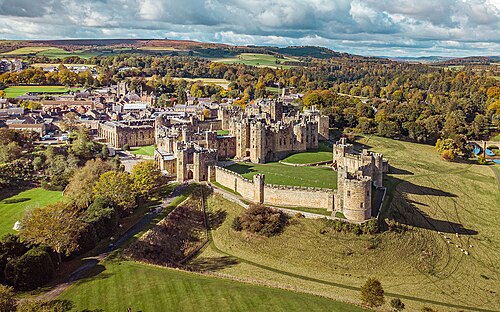
Bamburgh Castle, on the northeast coast of England, by the village of Bamburgh in Northumberland, is a Grade I listed building.
The site was originally the location of a Celtic Brittonic fort known as Din Guarie and may have been the capital of the kingdom of Bernicia from its foundation c. 420 to 547. In that last year, it was captured by King Ida of Bernicia. After passing between the Britons and the Anglo-Saxons three times, the fort came under Anglo-Saxon control in 590. The Normans later built a new castle on the site, which forms the core of the present one. After a revolt in 1095 supported by the castle's owner, it became the property of the English monarch.
In the 17th century, financial difficulties led to the castle deteriorating, but it was restored by various owners during the 18th and 19th centuries. It was finally bought by the Victorian era industrialist William Armstrong, who completed its restoration. The castle is open to the public and owned by Francis Watson-Armstrong who is the son of the 3rd Baron Armstrong.
Text adapted from “Bamburgh Castle” on Wikipedia, CC BY-SA 4.0.
In the rankings
Bamburgh Castle ranks #179 of 9,902 worldwide in the atlas's castle fame ranking, and #16 of the 397 mapped in England. Founded c. 1050, it is older than 89% of the atlas's dated landmarks, one of 458 atlas entries founded in the 11th century. Its Wikipedia articles were opened 50,907 times in the last 60 days, more than 99% of the atlas. 5 more atlas landmarks stand within 25 km. The nearest day-trip guide is Newcastle upon Tyne, 71 km away. It is one of the 20 landmarks on the atlas's regional map of Northumberland. It is stop 15 of 18 on the Northumberland castle coast, Newcastle upon Tyne to Berwick-upon-Tweed. See how England compares in the castle statistics.
Castles nearby
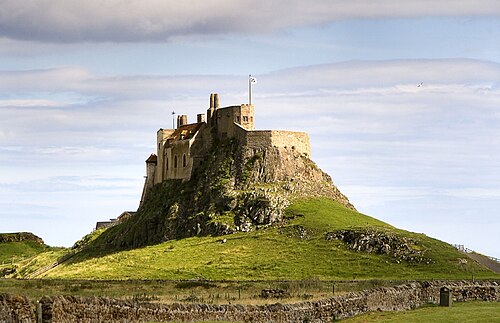
- Lindisfarne Castle8 km · England
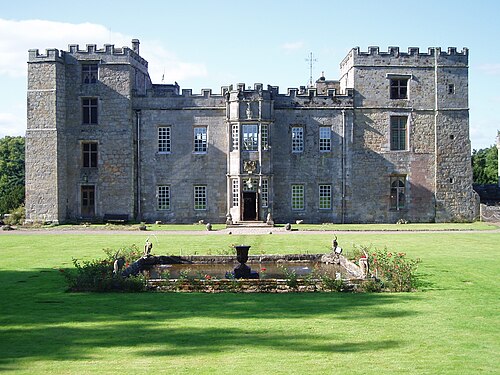
- Chillingham Castle15 km · England
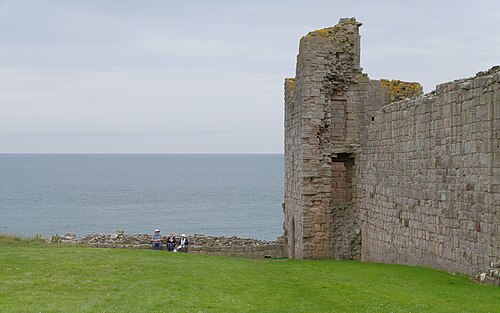
- Dunstanburgh Castle15 km · England
- Alnwick Castle22 km · England
More castles in England
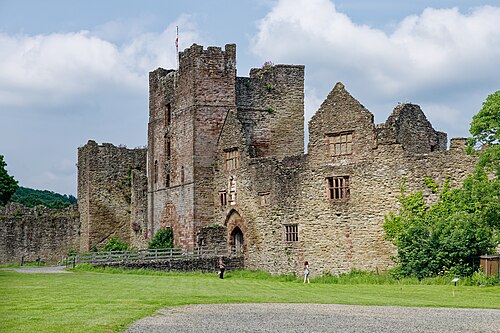
- Ludlow CastleEngland · 11th century
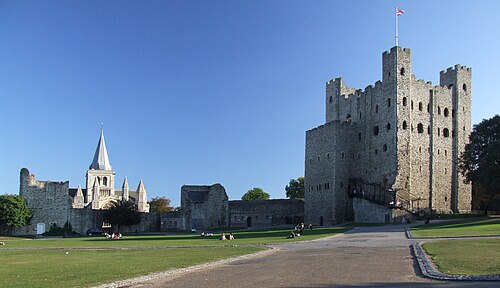
- Rochester CastleEngland · 11th century
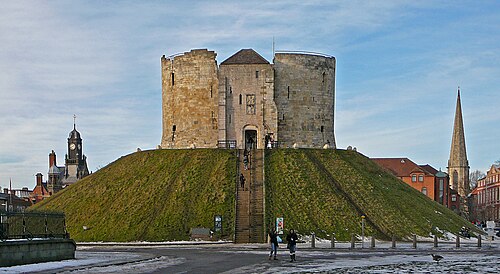
- York CastleEngland · 11th century
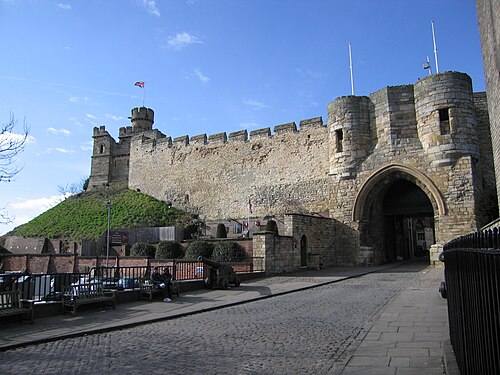
- Lincoln CastleEngland · 11th century