 Serbia · 1st century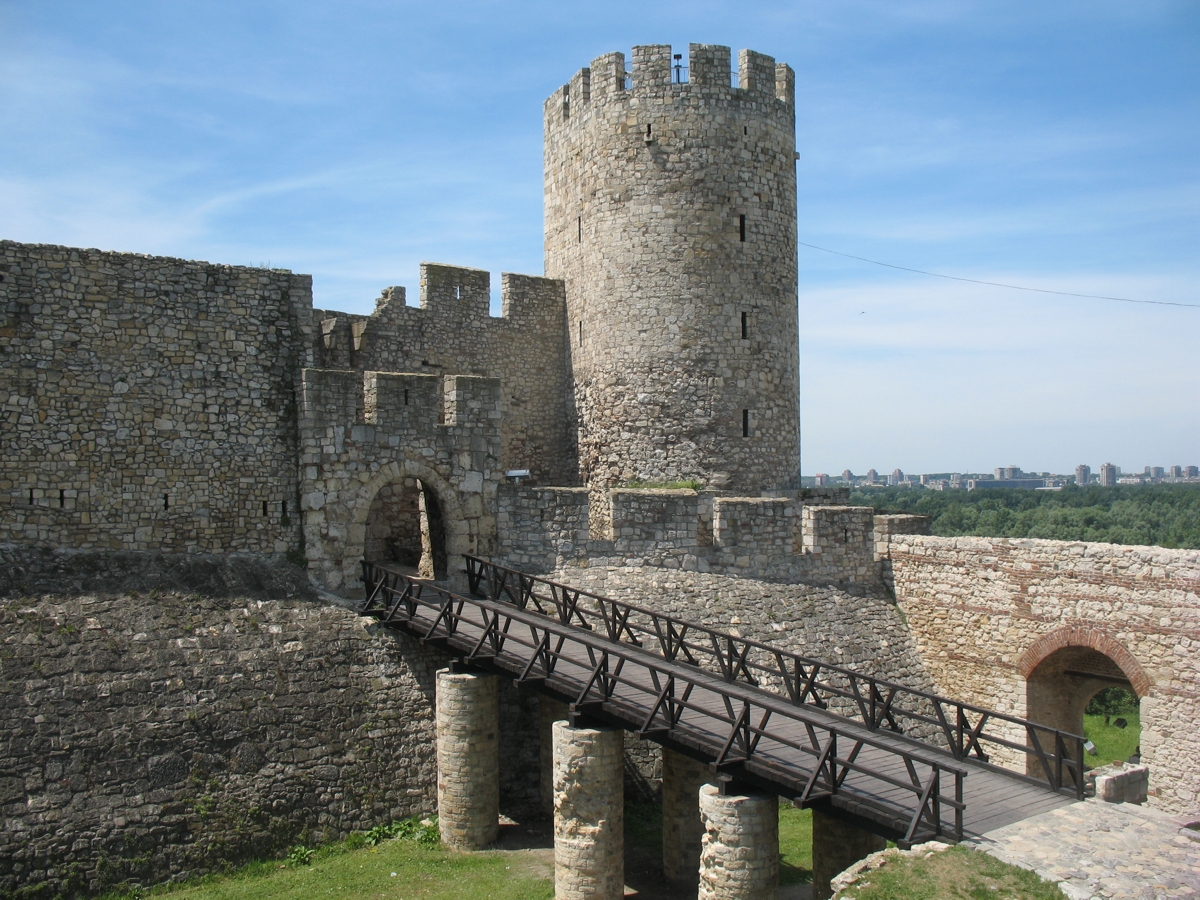
The Belgrade Fortress (Serbian: Београдска тврђава, Beogradska tvrđava, Hungarian: Nándorfehérvár), consists of the old citadel (Upper and Lower Town) and Kalemegdan Park (Large and Little Kalemegdan) on the confluence of the Sava and Danube rivers, in an urban area of modern Belgrade, Serbia. Located in Belgrade's municipality of Stari Grad, the fortress constitutes the specific historical core of the city. As one of the most important representatives of Belgrade's cultural heritage, it was originally protected right after World War II, among the first officially declared cultural monuments in Serbia. The fortress was declared a Monument of Culture of Exceptional Importance in 1979, and is protected by the Republic of Serbia.
It is the most visited tourist attraction in Belgrade, with Skadarlija being the second. Since the admission is free, it is estimated that the total number of visitors (foreign, domestic, citizens of Belgrade) is over 2 million yearly.
Text adapted from “Belgrade Fortress” on Wikipedia, CC BY-SA 4.0.
Belgrade Fortress ranks #275 of 9,079 worldwide in the atlas's castle fame ranking, and #1 of the 34 mapped in Serbia. Founded c. 100, it is older than 98% of the atlas's dated landmarks — one of 33 atlas entries founded in the 1st century. Its Wikipedia articles were opened 12,959 times in the last 60 days, more than 95% of the atlas. 6 more atlas landmarks stand within 25 km. The nearest day-trip guide is Belgrade, 1 km away. See how Serbia compares in the castle statistics.
View on the interactive castle map →