Palace
Gatchina Palace
 Russia · 18th century
- Founded
- 1766
- Style
- Classicism
- Architect
- Antonio Rinaldi
- Heritage status
- part of UNESCO World Heritage Site · federal cultural heritage site in Russia
- Location
- Gatchina
- Coordinates
- 59.5639°, 30.10798°
- Open data
- Wikidata Q7461
- Links
- OpenStreetMap · Wikimedia Commons
Description
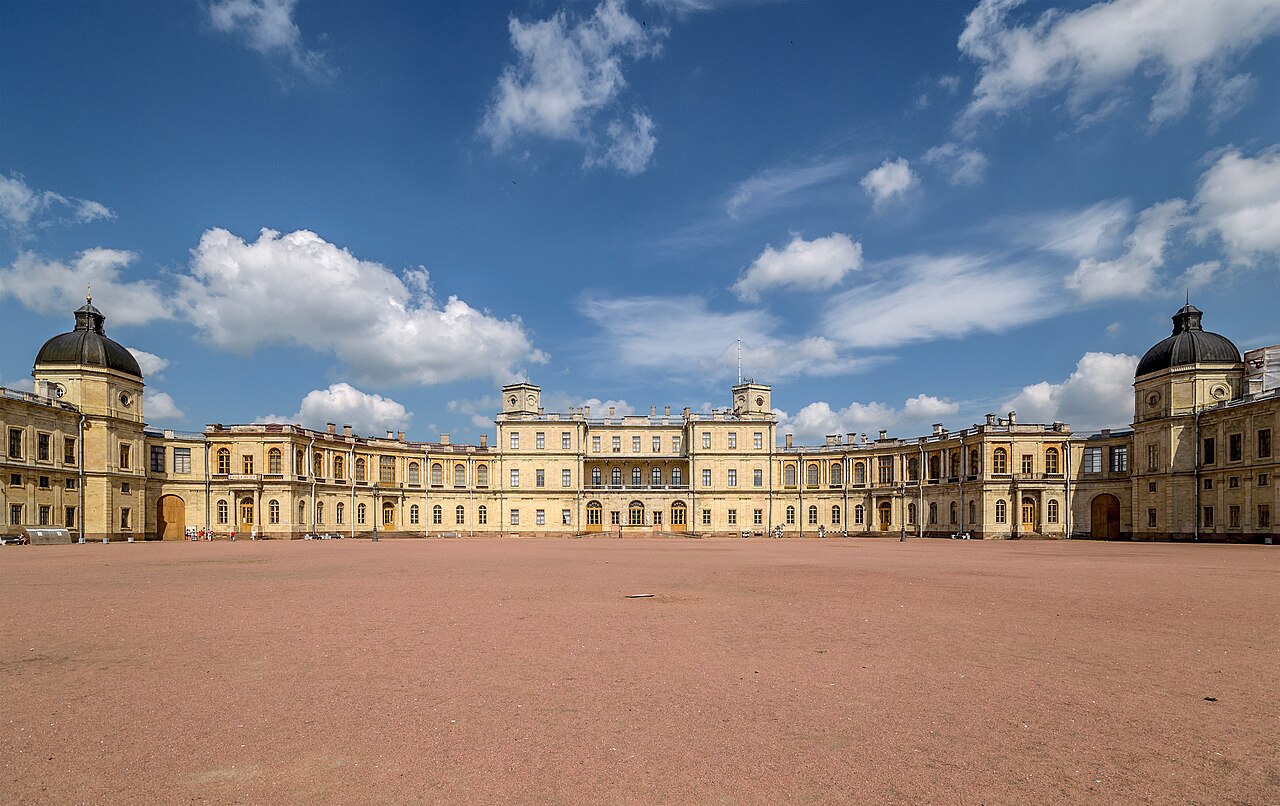
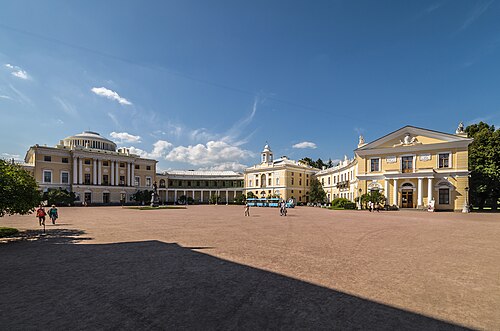
The Great Gatchina Palace (Russian: Большой Гатчинский дворец) is a palace in Gatchina, Leningrad Oblast, Russia. It was built from 1766 to 1781 by Antonio Rinaldi for Count Grigori Grigoryevich Orlov, who was a favourite of Catherine the Great, in Gatchina, a suburb of the royal capital Saint Petersburg. The Gatchina Palace combines classical architecture and themes of a medieval castle with ornate interiors typical of Russian classicism, located on a hill in central Gatchina next to Lake Serebryany. The Gatchina Palace became one of the favourite residences of the Russian Imperial Family, and during the 19th century was an important site of Russian politics. Since the February Revolution in 1917, it has been a museum and public park, and received UNESCO World Heritage Site status in 1990.
Text adapted from “Great Gatchina Palace” on Wikipedia, CC BY-SA 4.0.
In the rankings
Gatchina Palace ranks #375 of 9,902 worldwide in the atlas's castle fame ranking, and #17 of the 148 mapped in Russia. Founded 1766, it is older than 15% of the atlas's dated landmarks, one of 757 atlas entries founded in the 18th century. Its Wikipedia articles were opened 10,506 times in the last 60 days, more than 95% of the atlas. 5 more atlas landmarks stand within 25 km. The nearest day-trip guide is Saint Petersburg, 44 km away. See how Russia compares in the castle statistics.
Castles nearby
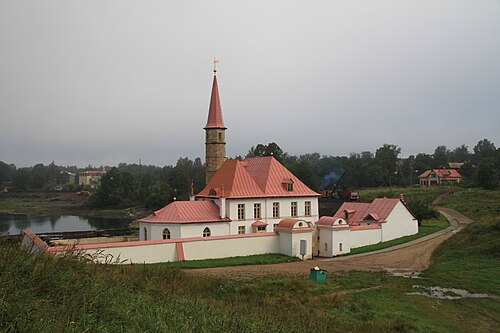
- Priory Palace1 km · Russia
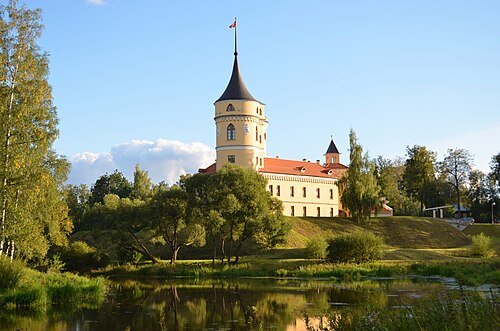
- Bip Fortress23 km · Russia
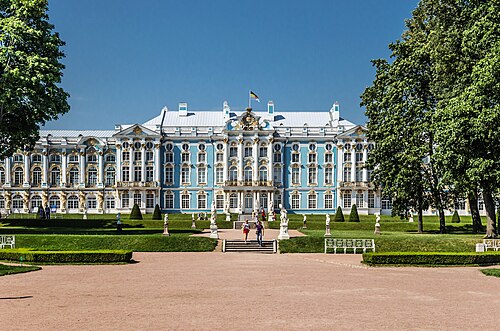
- Catherine Palace23 km · Russia
- Pavlovsk Palace24 km · Russia
More castles in Russia
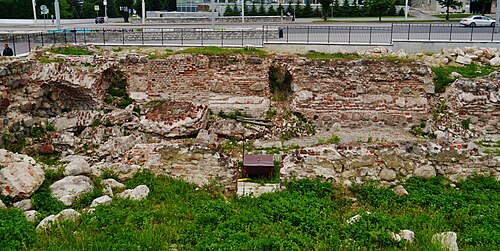
- Königsberg CastleRussia · 13th century
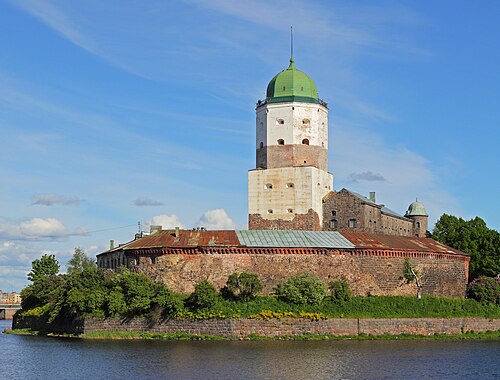
- Vyborg CastleRussia · 13th century
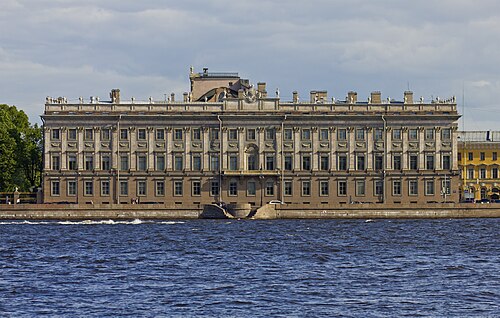
- Marble Palace (Saint Petersburg)Russia · 18th century
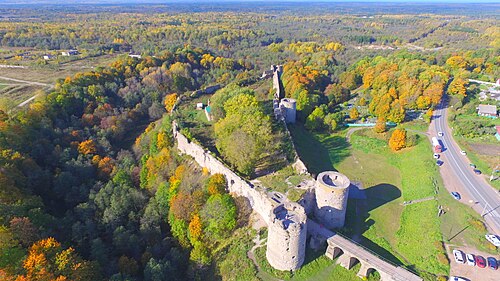
- KoporyeRussia · 13th century