 Slovakia · 13th century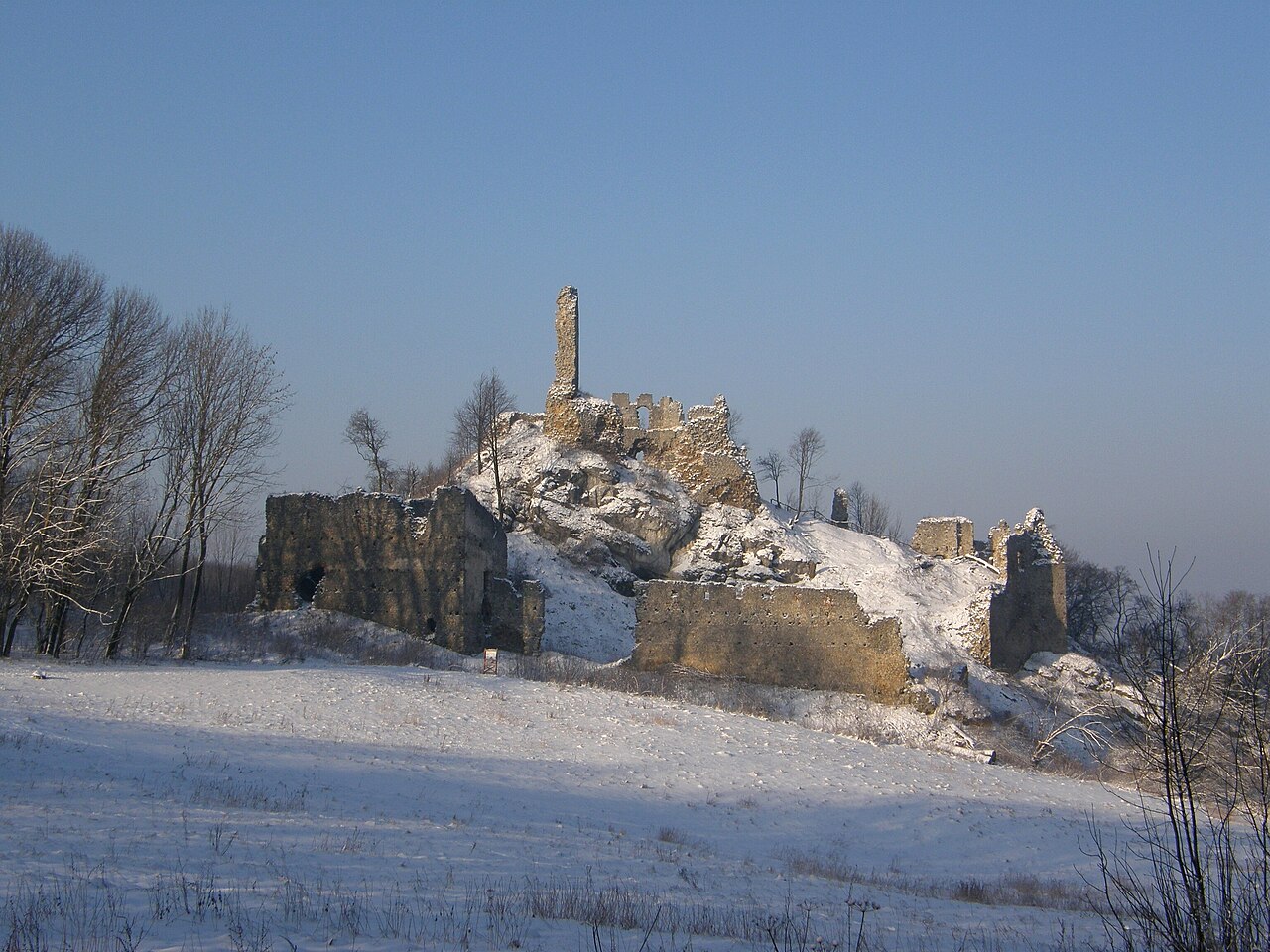
Korlátka (German: Burg Konradstein) is located in Cerová, Slovakia. It was a border castle of the Kingdom of Hungary. Today it is in ruins.
Korlátka was built in the mid-13th century to protect the western border of Hungary and was first mentioned in documents in 1289. In 1315 the castle was renovated, and in 1394 it was given by King Sigismund to Duke Stibor of Stiborice.
In the second half of the 16th century the castle was reinforced once more. In 1700 the inhabited upper castle was finally abandoned and the owners moved into the mansion of the outer bailey.
Machine-translated from “Burg Korlátka” on the German Wikipedia, CC BY-SA 4.0.
Korlátka ranks #7,154 of 9,035 worldwide in the atlas's castle fame ranking, and #96 of the 135 mapped in Slovakia. Founded c. 1300, it is older than 60% of the atlas's dated landmarks, one of 1090 atlas entries founded in the 13th century. 7 more atlas landmarks stand within 25 km. The nearest day-trip guide is Trnava, 26 km away. See how Slovakia compares in the castle statistics.
View on the interactive castle map →