Palace
Lustschloss Tschifflik
 Germany · 18th century
- Founded
- 1715
- Heritage status
- Kulturdenkmal
- Location
- Rhineland-Palatinate
- Coordinates
- 49.245°, 7.39483°
- Open data
- Wikidata Q603247
Description
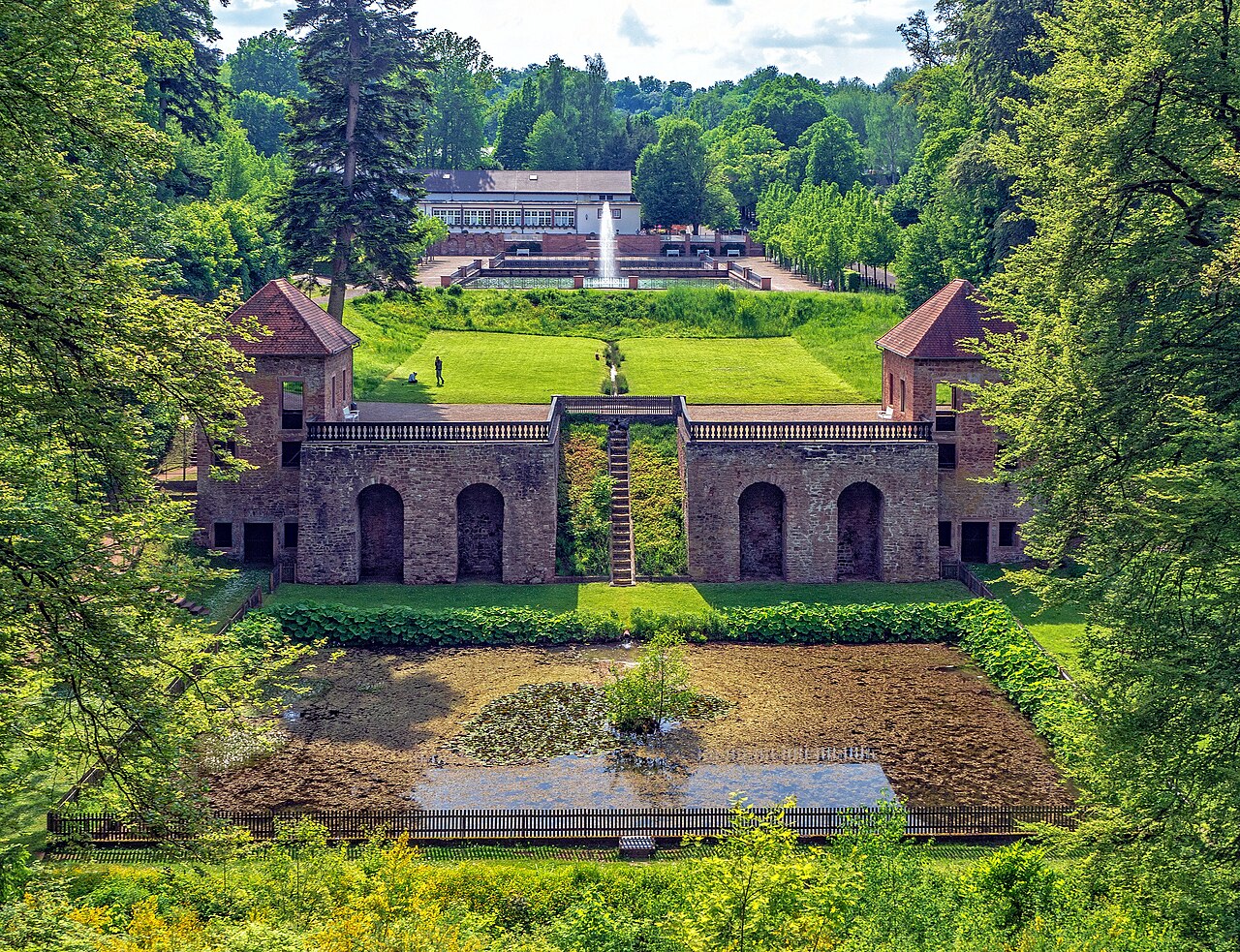
Tschifflik (Bulgarian: чифлик; Turkish: Çiftlik)– is a Lustschloss summer residence in Zweibrücken, constructed in 1715–1716 by exiled Polish King Stanisław Leszczyński according to a design by Jonas Erikson Sundahl. Tschifflik is an outstanding example of Baroque Landscape architecture. After being exiled from Poland, Leszczyński became the Count Palatine of Zweibrücken as a Prince exercising the head of state's authority on behalf of Charles XII in 1714. He continued in that role until 1719, a year after the Swedish monarch's death.
It is most commonly referred to as the Fasanerie by locals, the German term for the Pheasantry. The name refers to Duke Christian IV. After Stanislaus resettled in Nancy, France, many of the wooden buildings were cleared away. Duke Christian IV of Zweibrücken created a large pheasant garden in their place.
Text adapted from “Tschifflik” on Wikipedia, CC BY-SA 4.0.
In the rankings
Lustschloss Tschifflik ranks #6,152 of 9,040 worldwide in the atlas's castle fame ranking, and #545 of the 714 mapped in Germany. Founded 1715, it is older than 20% of the atlas's dated landmarks, one of 685 atlas entries founded in the 18th century. 5 more atlas landmarks stand within 25 km. The nearest day-trip guide is Saarbrücken, 29 km away. See how Germany compares in the castle statistics.
Castles nearby
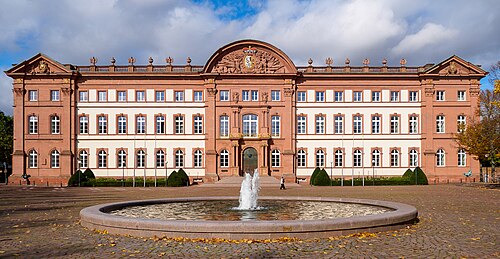
- Zweibrücken Castle2 km · Germany
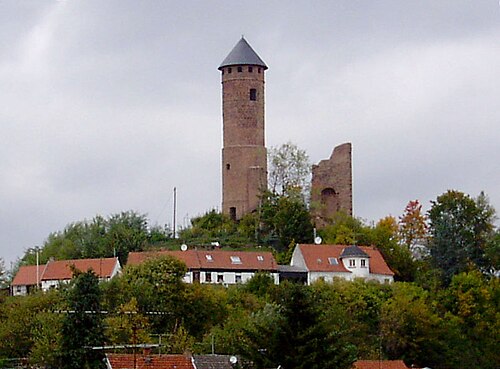
- Burg Kirkel12 km · Germany
- Castle Lemberg21 km · Germany
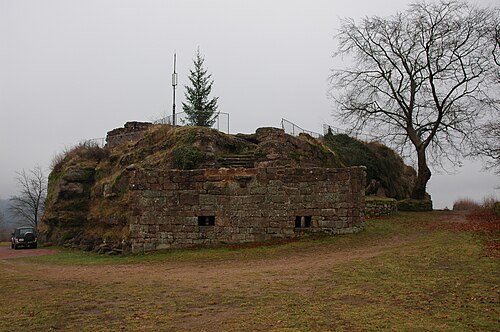
- Heidelsburg22 km · Germany
More castles in Germany
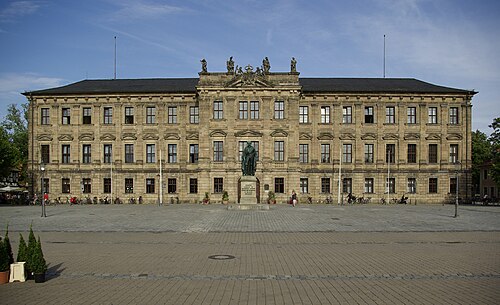
- Margravial Palace ErlangenGermany · 17th century
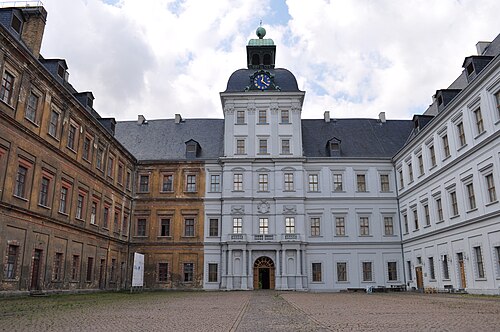
- Neu-Augustusburg CastleGermany
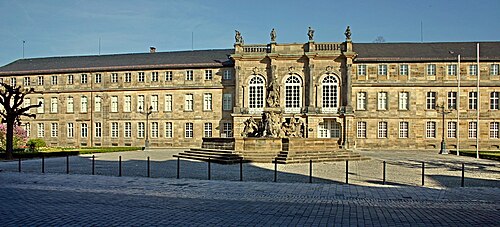
- Neues Schloss BayreuthGermany · 18th century
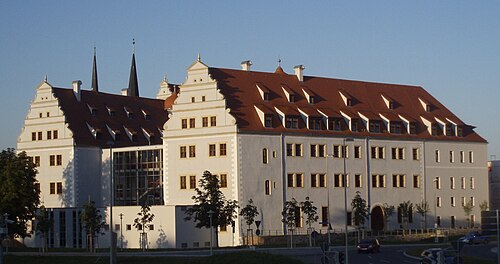
- Osterstein CastleGermany · 13th century