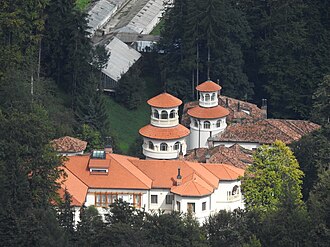
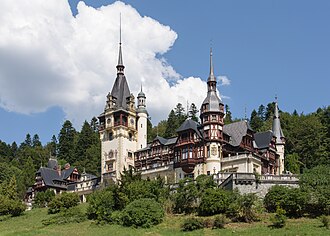
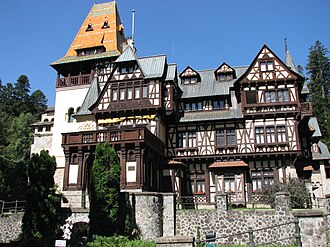
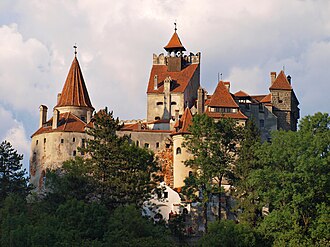
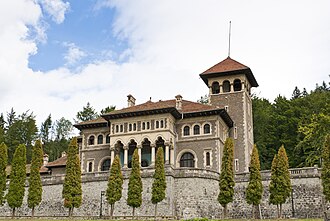
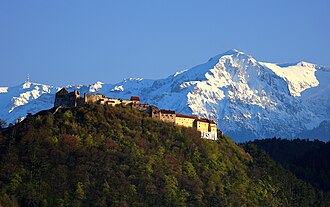
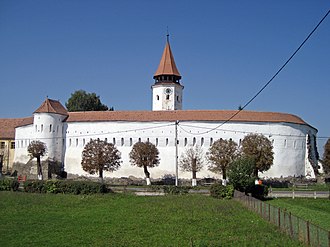
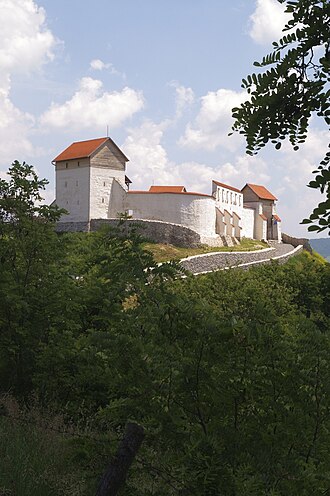
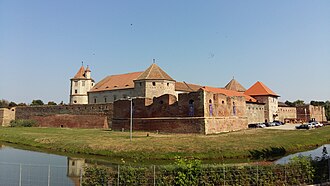
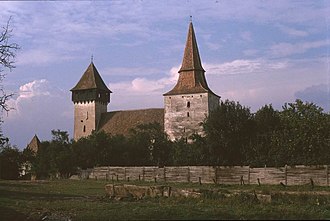
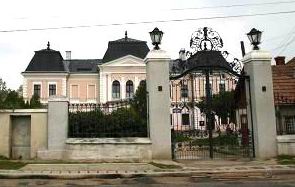
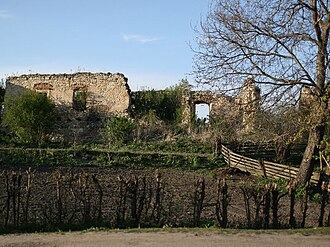
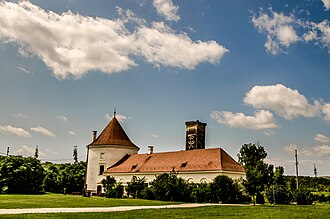
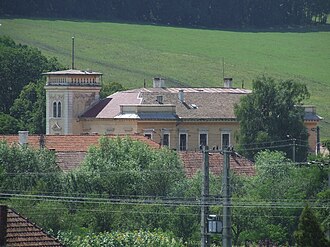
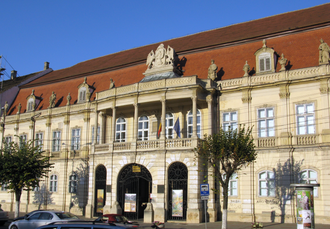
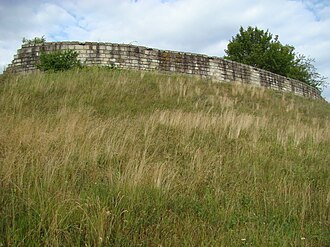
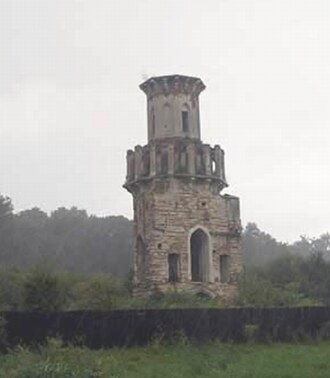
Transylvania was the marchland of the Hungarian crown and then of the Habsburgs, settled from the 12th century by Saxons who were given land on condition they defended it. The result is a landscape with two kinds of fortification in it: the noble castles, and the fortified churches the Saxon villages built to shelter behind, some 300 were built, more than 150 survive, and seven of them are a UNESCO World Heritage Site. Bran, at the pass into Wallachia, is the one sold as Dracula’s castle, on evidence that does not survive contact with the record.
What this atlas maps on the Transylvania castle route
They are the 26 best known of the 33 landmarks this atlas maps within 35 km of the line, spanning 11th century to 20th century.
The best known is Bran Castle, ranked 42 of the 9,035 landmarks in the atlas by Wikipedia presence and real readership. The oldest is Dăbâca Fortress, founded c. 1050.
The route runs through Romania. The same ground, without the itinerary: Castles in Transylvania.
Travelling it
The route runs from the Bran pass through Brașov and along the Saxon land to Sibiu, then north-west to Cluj. The main roads are good and the village churches are on gravel.
Day-trip guides for the towns and cities along it: Cluj-Napoca · Brașov · Sibiu.
See the route on the map →