Fortress
Walls of Constantinople
 Turkey · 4th century
- Founded
- c. 330
- Style
- Byzantine architecture
- Location
- Istanbul Province
- Coordinates
- 41.01806°, 28.92333°
- Open data
- Wikidata Q89917
- Links
- OpenStreetMap · Wikimedia Commons
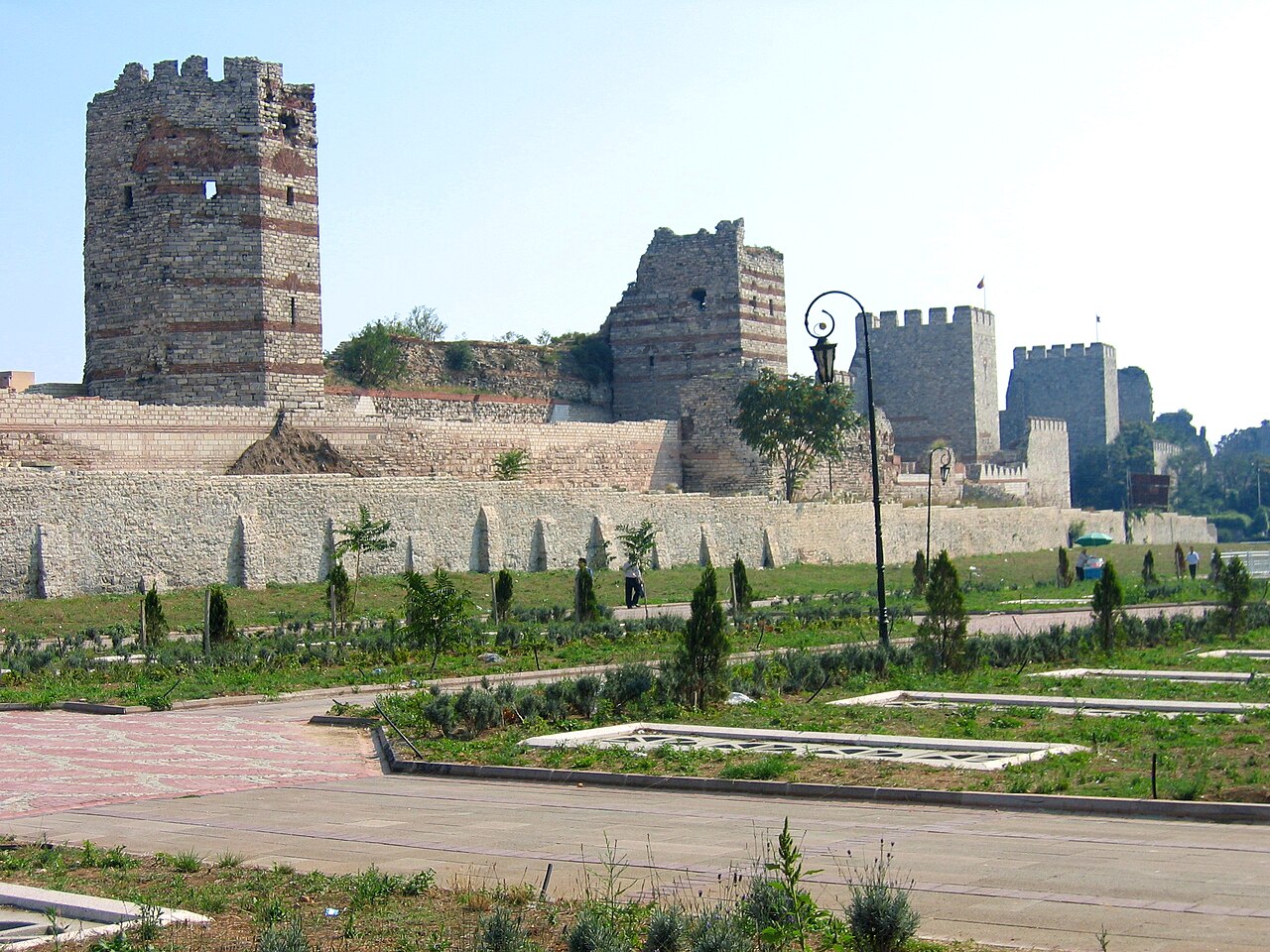
Description
The walls of Constantinople (Turkish: Konstantinopolis Surları; Greek: Τείχη της Κωνσταντινούπολης) are a series of defensive stone walls that have surrounded and protected the city of Constantinople (modern Fatih district of Istanbul) since its founding as the new capital of the Roman Empire by Constantine the Great. With numerous additions and modifications during their history, they were the last great fortification system of antiquity, and one of the most complex and elaborate systems ever built.
Initially built by Constantine the Great, the walls surrounded the new city on all sides, protecting it against attack from both sea and land. As the city grew, the famous double line of the Theodosian walls was built in the 5th century. Although the other sections of the walls were less elaborate, they were, when well-manned, almost impregnable for any medieval besieger. They saved the city, and the Byzantine Empire with it, during sieges by the Avar–Sassanian coalition, Arabs, Rus', and Bulgars, among others. The fortifications retained their usefulness even after the advent of gunpowder siege cannons, which played a part in the city's fall to Ottoman forces in 1453 but were not able to breach its walls.
The walls were largely maintained intact during most of the Ottoman period until sections began to be dismantled in the 19th century, as the city outgrew its medieval boundaries. Despite lack of maintenance, many parts of the walls survived and are still standing today. A large-scale restoration program has been underway since the 1980s.
Text adapted from “Walls of Constantinople” on Wikipedia, CC BY-SA 4.0.
In the rankings
Walls of Constantinople ranks #94 of 9,902 worldwide in the atlas's castle fame ranking, and #4 of the 130 mapped in Turkey. Founded c. 330, it is older than 97% of the atlas's dated landmarks, one of 15 atlas entries founded in the 4th century. Its Wikipedia articles were opened 52,782 times in the last 60 days, more than 99% of the atlas. 24 more atlas landmarks stand within 25 km. The nearest day-trip guide is Istanbul, 3 km away. See how Turkey compares in the castle statistics.
Castles nearby
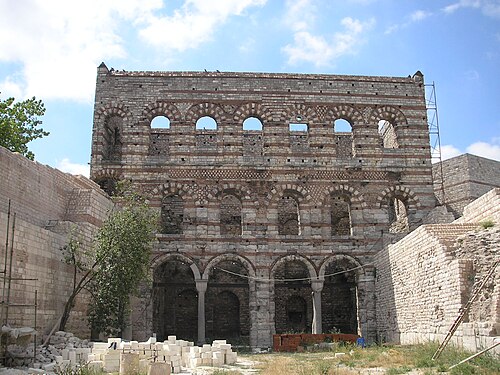
- Palace of the Porphyrogenitus2 km · Turkey
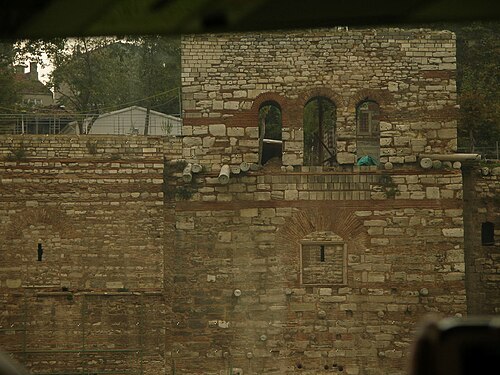
- Palace of Blachernae2 km · Turkey
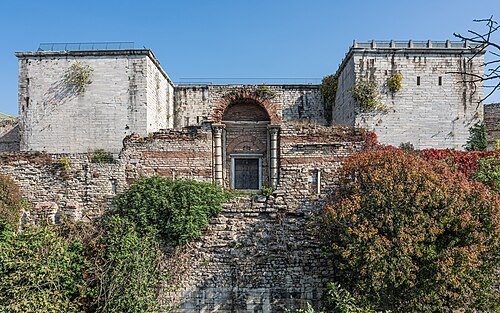
- Yedikule Fortress3 km · Turkey
- Aynalıkavak Palace3 km · Turkey
More castles in Turkey
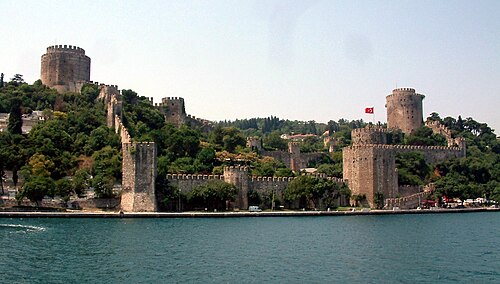
- Rumeli HisarıTurkey · 15th century
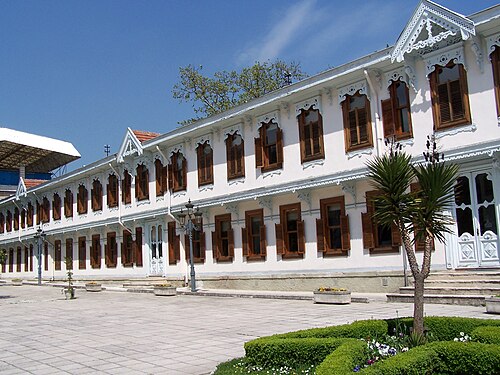
- Yıldız PalaceTurkey · 18th century
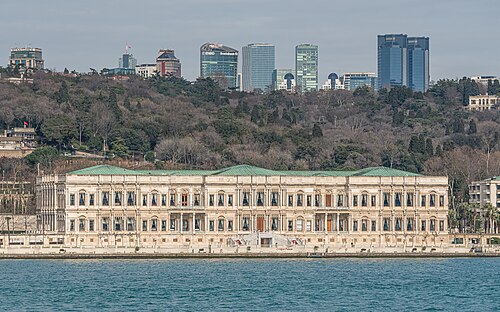
- Çırağan PalaceTurkey · 19th century
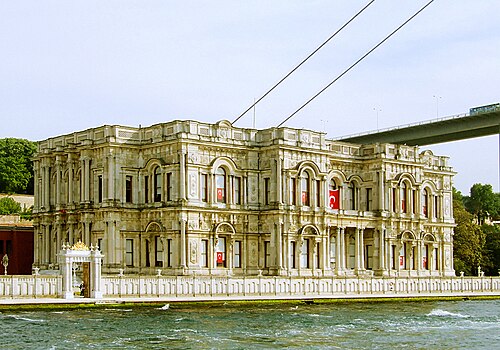
- Beylerbeyi PalaceTurkey · 19th century