Twierdza
Namhansanseong
🇰🇷 Korea Południowa · XVII wiek
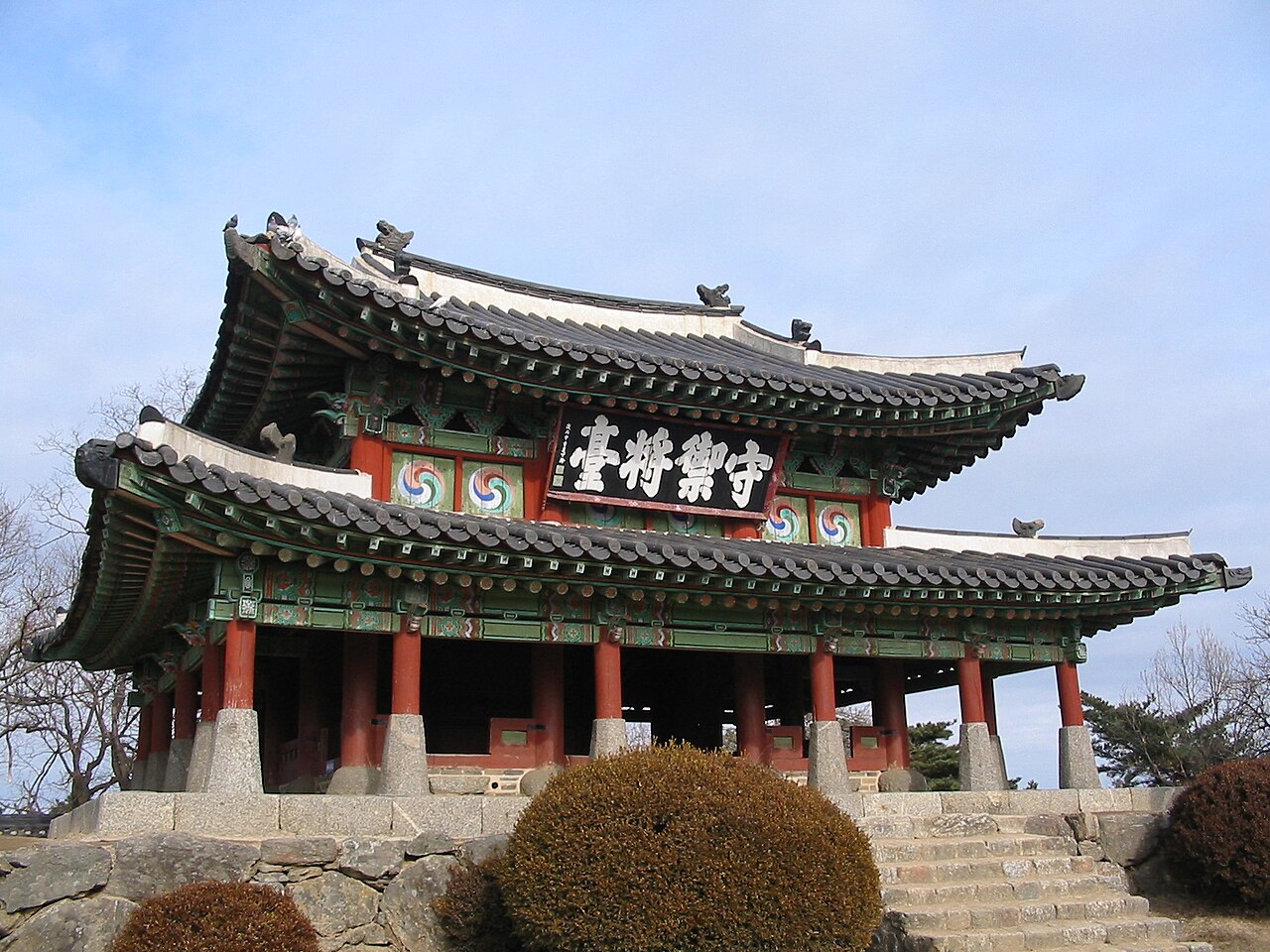
Namhansanseong (kor. 남한산성; handja: 南漢山城) to zabytkowe koreańskie miasto-twierdza w mieście Gwangju, w prowincji Gyeonggi w Korei Południowej. Twierdza, wpisana na Listę Światowego Dziedzictwa UNESCO, leży na szczycie góry Namhansan i ciągnie się na długości 12 km. Pełniła funkcję awaryjnej stolicy w okresie dynastii Joseon (1392–1910). Jej projekt opiera się na architekturze fortyfikacyjnej Azji Wschodniej, łącząc elementy czterech historycznych stylów kulturowych: koreańskiego Joseon, japońskiego okresu Azuchi-Momoyama oraz chińskiej dynastii Ming i Qing.
Twierdza była intensywnie rozbudowywana w XVI–XVIII wieku, w okresie nieustannych wojen. Rozwój techniczny broni i uzbrojenia w tym czasie, obejmujący użycie sprowadzanego z Europy prochu strzelniczego, w znacznym stopniu wpłynął na architekturę i układ twierdzy. Namhansanseong ukazuje, w jaki sposób różne koreańskie koncepcje obronne zostały urzeczywistnione poprzez połączenie codziennego środowiska życia z celami obronnymi. Twierdza pokazuje również, jak buddyzm odegrał wpływową rolę w ochronie państwa, stając się symbolem suwerenności Korei.
Można do niej dotrzeć z Seulu za pomocą stacji Namhansanseong linii 8 seulskiego metra.
Tłumaczenie maszynowe artykułu „Namhansanseong” w angielskiej Wikipedii, CC BY-SA 4.0.
Namhansanseong zajmuje 497. miejsce na 8134 w rankingu rozpoznawalności zamków tego atlasu i 7. wśród 58 obiektów w Korei Południowej. Data powstania — ok. 1650, wcześniejsza niż u 26% datowanych obiektów atlasu — jeden z 626 obiektów atlasu powstałych w XVII wieku. Artykuły o tym obiekcie w Wikipedii otwarto 6221 razy w ciągu ostatnich 60 dni — więcej niż 88% obiektów atlasu. W promieniu 25 km stoi 12 innych obiektów atlasu. Najbliższy przewodnik na jednodniowy wypad to Seul, 19 km stąd. Zobacz w statystykach zamków, jak wypada Korea Południowa.
Zobacz na interaktywnej mapie zamków →Najczęstsze pytania
Gdzie znajduje się Namhansanseong?
Namhansanseong znajduje się w Korei Południowej, na współrzędnych 37.47803°, 127.18419°.
Z którego roku pochodzi Namhansanseong?
Atlas podaje rok powstania: ok. 1650. Wcześniejsze budowle mogły stać w tym miejscu — to najstarszy udokumentowany rok.
Czy Namhansanseong jest na liście UNESCO?
Tak — według Wikidanych obiekt jest wpisany na listę światowego dziedzictwa UNESCO.
Które miejsce w rankingu zajmuje Namhansanseong?
W rankingu rozpoznawalności tego atlasu: 497. miejsce na 8134, 7. miejsce w Korei Południowej. Rozpoznawalność łączy liczbę wersji językowych Wikipedii z liczbą czytelników.
Namhansanseong — który zamek leży najbliżej?
Sueojangdae, około 1 km stąd.
Inne zamki w Korei Południowej
- Deoksugung Korea Południowa
- Changgyeonggung Korea Południowa · XV wiek
- Gyeonghuigung Korea Południowa · XVII wiek
- Seoul City Wall Korea Południowa · XIV wiek
Inne obiekty: twierdze
- Twierdza Akershus Norwegia · XIII wiek
- Castillo de San Pedro de la Roca Kuba · XVII wiek
- Fort Sumter Stany Zjednoczone · XIX wiek
- Park Narodowy Brimstone Hill Fortress Saint Kitts i Nevis · XVII wiek