 South Korea · 15th century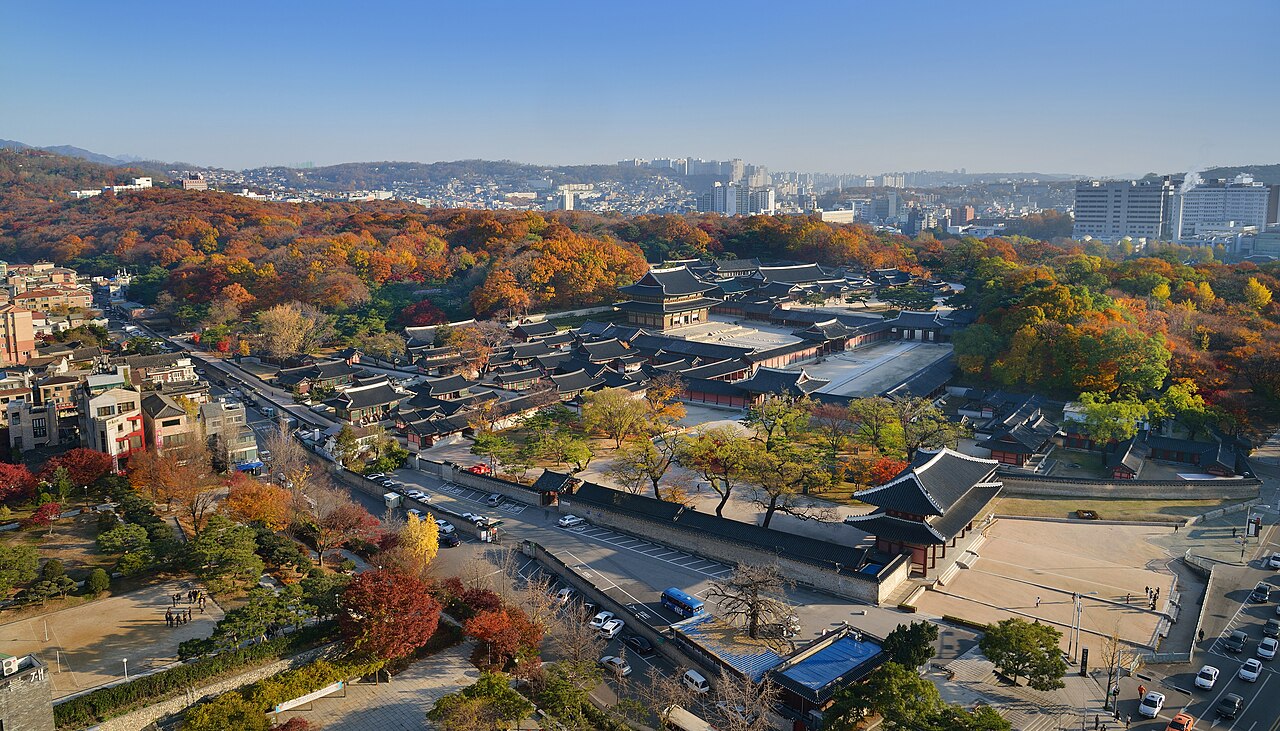
Changdeokgung (Korean: 창덕궁; Hanja: 昌德宮) is a former royal palace in Seoul, South Korea. A UNESCO World Heritage Site and a Historic Site of South Korea, it is among the best preserved of all Korean palaces. It and its neighboring palace Changgyeonggung have together been called the "East Palace".
Changdeokgung was established in 1405. It was the second palace to be established in Seoul, after Joseon's official main palace Gyeongbokgung. Despite Gyeongbokgung's legally superior status, a majority of kings preferred to reside in Changdeokgung instead. In 1592, amidst the Imjin War, Changdeokgung and all the other palaces in the city were completely destroyed. After the war, due to budgetary constraints, Gyeongbokgung was not repaired, while Changdeokgung and Changgyeonggung were. This effectively made Changdeokgung Joseon's main palace for several centuries.
In the late 19th century, under the reign of the penultimate Korean monarch Gojong, Gyeongbokgung was rebuilt and the royal family moved out of Changdeokgung and into Gyeongbokgung, although they would again move to another palace Deoksugung in 1897. In 1907, Gojong was forced by Japan to abdicate, and his son and final Korean monarch Sunjong ascended the throne and made Changdeokgung his official palace. In 1910, Japan colonized Korea, and proceeded to heavily alter the palace. The Korean royal family continued to reside in the palace even after the 1945 liberation of Korea and into the late 20th century.
Changdeokgung is now a major tourist attraction. In 1997, it was made a UNESCO World Heritage Site. The palace's Secret Garden, long beloved by Korean monarchs, are now mostly available to the public, with some sections requiring tours to be booked.
Text adapted from “Changdeokgung” on Wikipedia, CC BY-SA 4.0.
Changdeokgung ranks #131 of 9,079 worldwide in the atlas's castle fame ranking, and #2 of the 57 mapped in South Korea. Founded 1405, it is older than 50% of the atlas's dated landmarks — one of 554 atlas entries founded in the 15th century. Its Wikipedia articles were opened 19,276 times in the last 60 days, more than 97% of the atlas. 14 more atlas landmarks stand within 25 km. The nearest day-trip guide is Seoul, 2 km away. See how South Korea compares in the castle statistics.
View on the interactive castle map →