 Romania · 1st century BC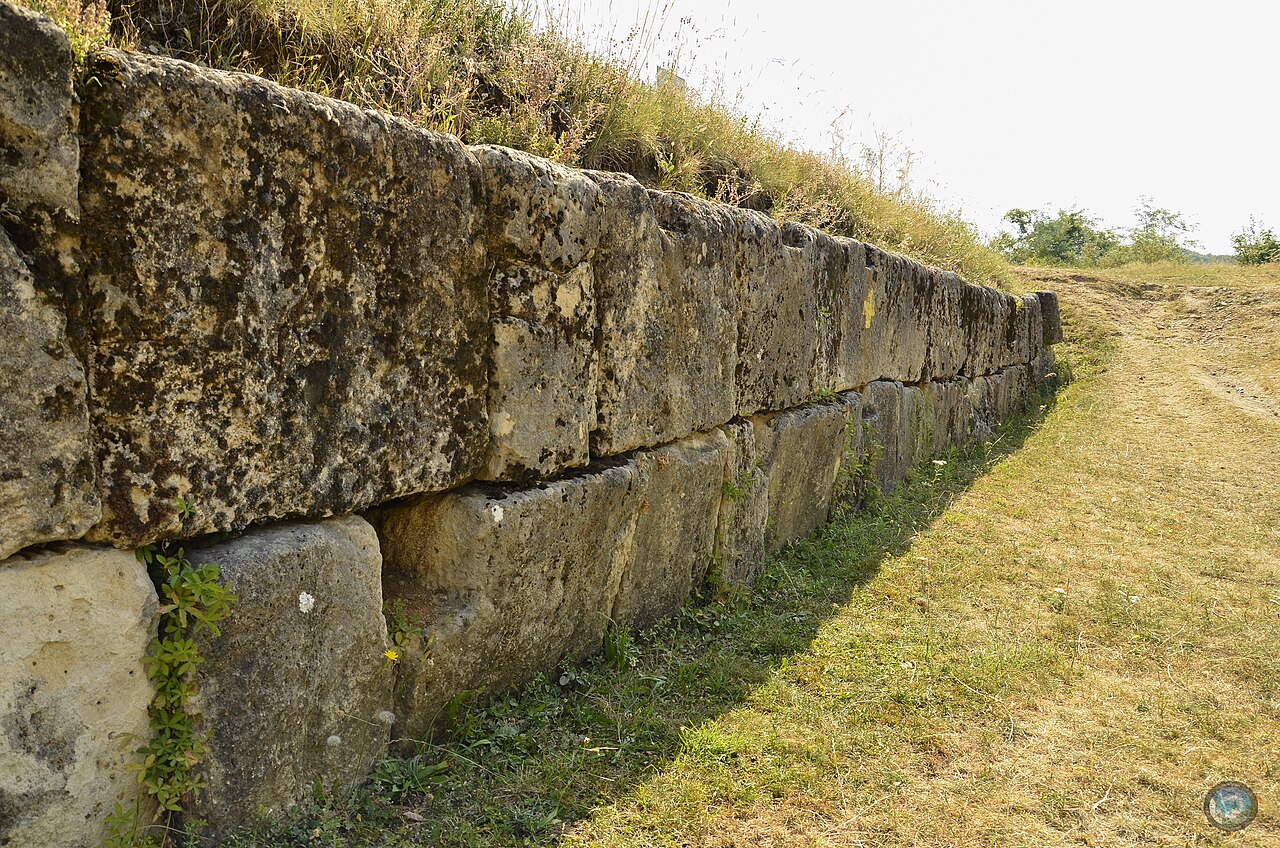
Built in murus dacicus style, the six Dacian Fortresses of the Orăștie Mountains (Romanian: Cetăți dacice din Munții Orăștiei), in Romania, were created in the 1st centuries BC and AD as protection against Roman conquest, and played an important role during the Roman–Dacian wars.
Their extensive and well-preserved remains present a picture of a vigorous and innovative ancient civilization. Today, treasure-hunters sometimes search the area, as Romania lacks legislation in this domain (see Archaeological looting in Romania).
The six fortresses — Sarmizegetusa Regia, Costești-Cetățuie, Costești-Blidaru, Piatra Roșie, Bănița, and Căpâlna — that formed the defensive system of Decebalus were designated as a UNESCO World Heritage Site in 1999. All the sites are in Hunedoara County, except for Căpâlna, which is in Alba County.
Text adapted from “Dacian Fortresses of the Orăștie Mountains” on Wikipedia, CC BY-SA 4.0.
Dacian Fortresses of the Orăștie Mountains ranks #752 of 9,079 worldwide in the atlas's castle fame ranking, and #8 of the 126 mapped in Romania. Founded c. 50 BC, it is older than 99% of the atlas's dated landmarks — one of 16 atlas entries founded in the 1st century BC. Its Wikipedia articles were opened 4,120 times in the last 60 days, more than 84% of the atlas. 1 more atlas landmarks stand within 25 km. The nearest day-trip guide is Sibiu, 68 km away. It is one of the 79 landmarks on the atlas's regional map of Transylvania. See how Romania compares in the castle statistics.
View on the interactive castle map →