 China · 5th century BC
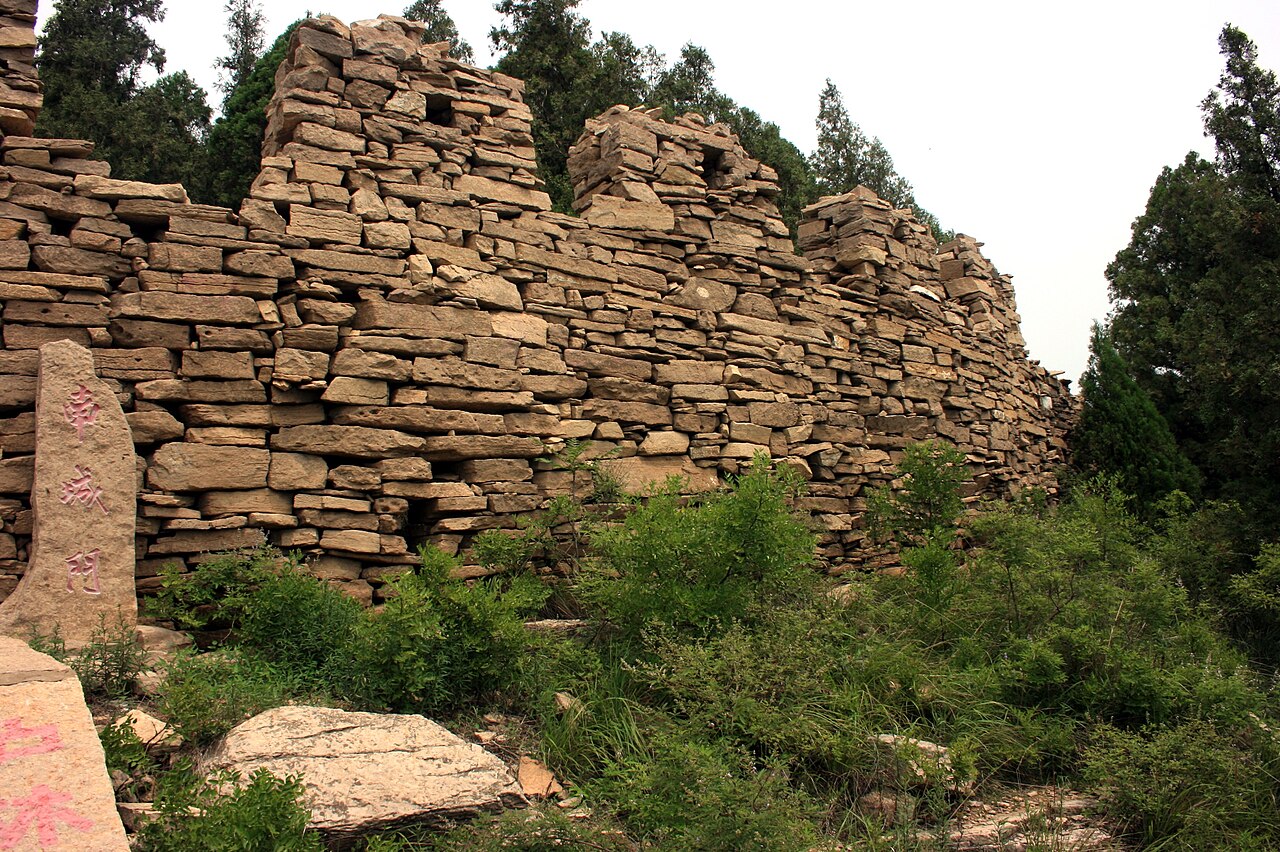
Great Wall of Qi ranks #1,769 of 9,040 worldwide in the atlas's castle fame ranking, and #35 of the 103 mapped in China. Founded 441 BC, it is older than 99% of the atlas's dated landmarks, one of 11 atlas entries founded in the 5th century BC. Its Wikipedia articles were opened 3,273 times in the last 60 days, more than 80% of the atlas. See how China compares in the castle statistics.
The Great Wall of Qi (simplified Chinese: 齐长城; traditional Chinese: 齊長城; pinyin: Qí Chángchéng) is the oldest existing Great Wall in China. Textual records on bamboo state that construction of the wall started in 441 BC by the state of Qi, to defend itself against attacks from the states of Jin and Yue, although archeological discovery found the oldest parts of the wall were from an even earlier period. Construction ended during the Warring States period and became Qi's defense against enemy states like Ju, Lu, and Chu. The wall stretches from Guangli village of today's Changqing District, Jinan, running across the mountain ridges of central Shandong Province to the Yellow Sea in the present-day city of Qingdao. Its total length has been estimated at 600 kilometers. Large parts of the wall can still be seen.
Text adapted from “Great Wall of Qi” on Wikipedia, CC BY-SA 4.0.
View on the interactive castle map →