


 Castles in China
104 landmarks in the Castle Map atlas: every one mapped with a photo and its story, 73 with sourced founding dates, ranked by Wikipedia coverage and real readership.
- By type
- 12 castles · 57 fortresses · 11 palaces & châteaux · 24 ruins
- Most famous
- Great Wall of China · #1
- Oldest
- Great Wall of China · c. 700 BC
- Newest
- Zhenchenglou · 1912
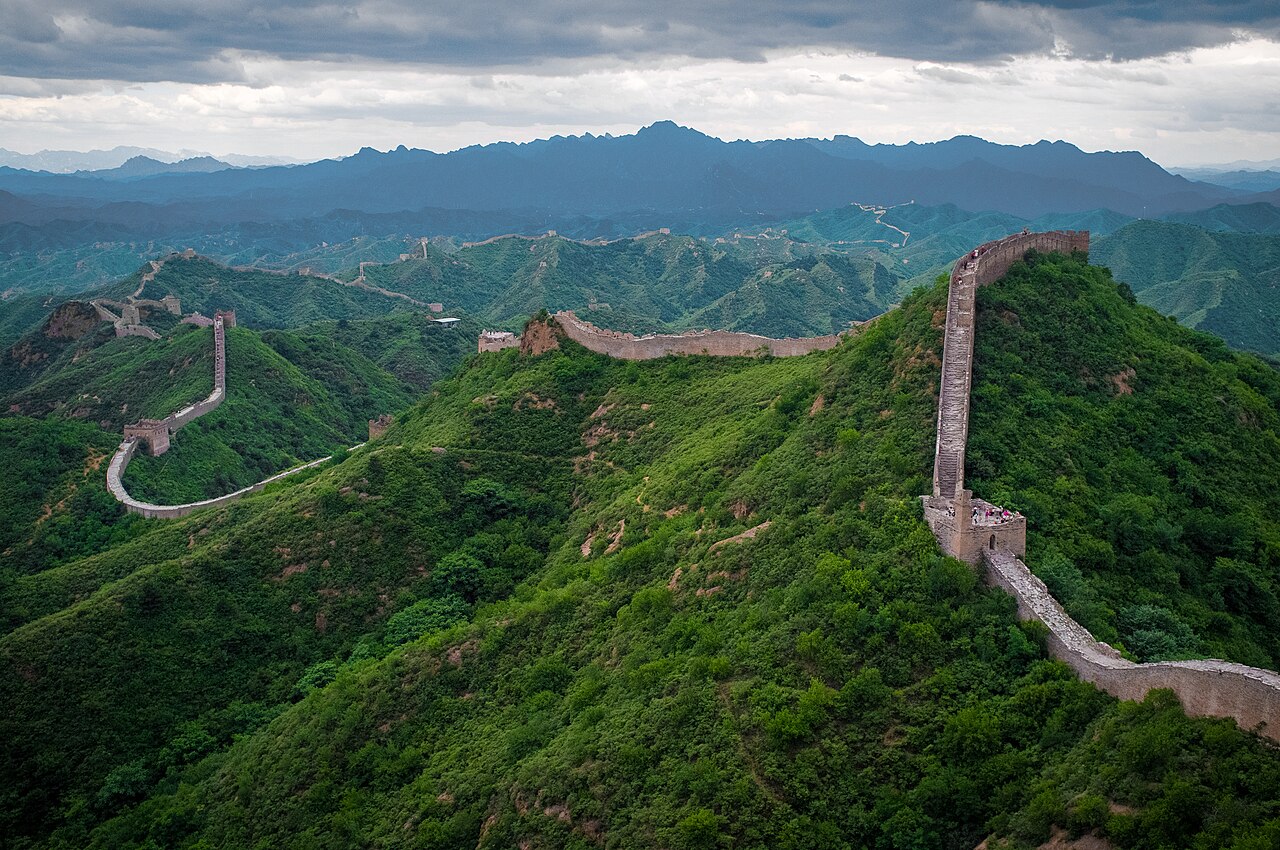
The most famous castle in China is Great Wall of China, ranked #1 of 9,902 in the world, followed by Forbidden City and Potala Palace.
The Castle Map atlas charts 12 castles, 57 fortresses, 11 palaces & châteaux and 24 ruins in China. They span more than 26 centuries, from Great Wall of China (founded c. 700 BC) to Zhenchenglou (1912). Every one is plotted with its photo and story on the interactive castle map of China.
All 104 castles in China
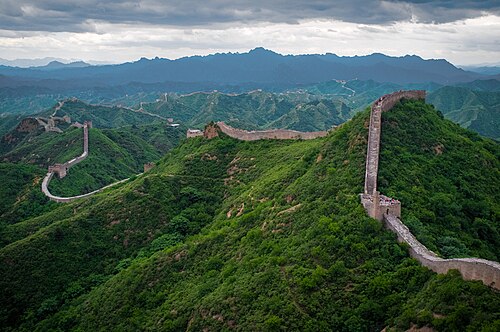
- Great Wall of China7th century BC · #1 worldwide · #1 in China
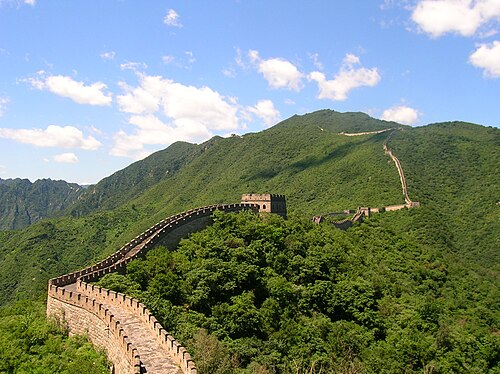
The Great Wall of China is a series of fortifications in China. They were built across the historical northern borders of ancient Chinese states and…
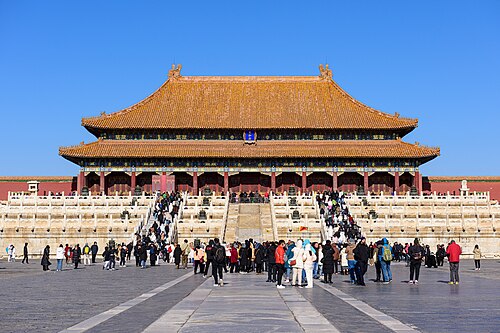
- Forbidden City15th century · #4 worldwide · #2 in China
The Forbidden City is the imperial palace complex in the center of the Imperial City in Beijing, China.
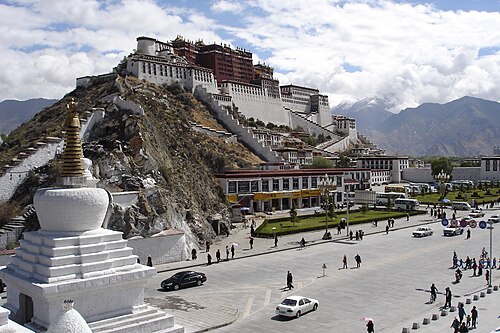
- Potala Palace7th century · #27 worldwide · #3 in China
Potala Palace is a museum complex in Lhasa, the capital of the Tibet Autonomous Region of China.
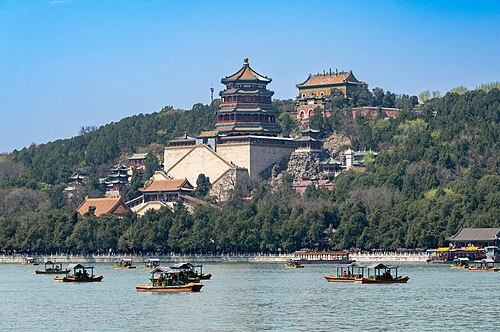
- Summer Palace#37 worldwide · #4 in China
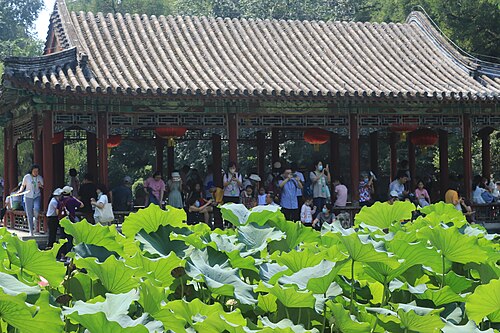
The Summer Palace or Yihe Garden was built by the Chinese Empress Cixi as a pavilion for quiet retreat.
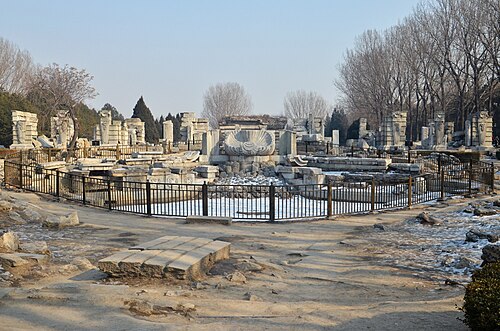
- Old Summer Palace18th century · #125 worldwide · #5 in China
The Old Summer Palace, also known as Yuanmingyuan or Yuanmingyuan Park, originally called the Imperial Gardens, and sometimes called the Winter…
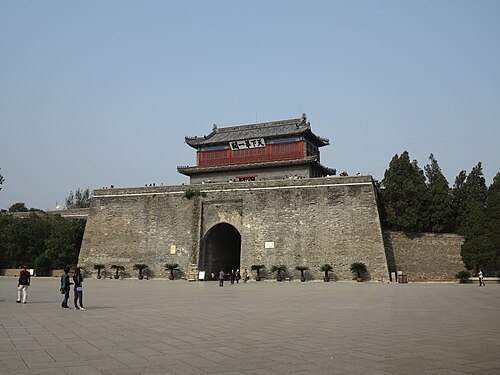
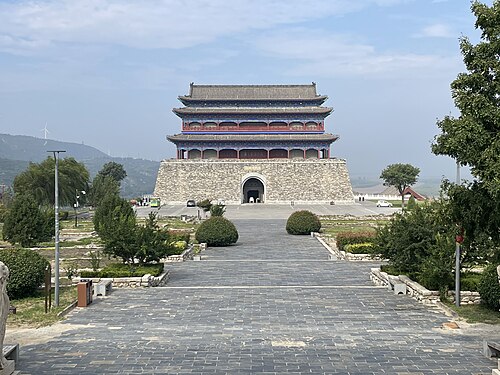
- Shanhai Pass14th century · #146 worldwide · #6 in China
The Shanhai Pass is a major fortified gateway at the eastern end of the Great Wall of China and one of its most crucial fortifications, as the pass…
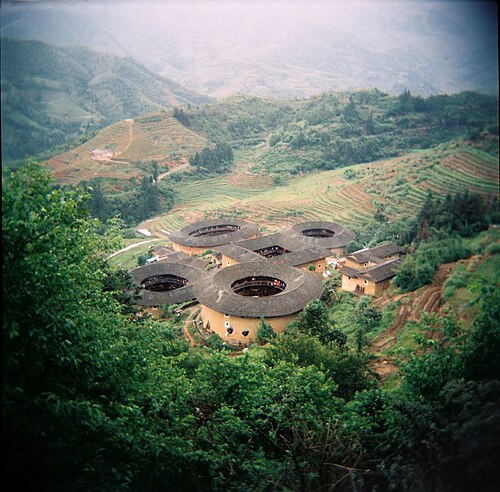
- Fujian Tulou12th century · #196 worldwide · #7 in China
The Fujian tulou are Chinese rural dwellings unique to the Hakka in the mountainous areas in southeastern Fujian, China.
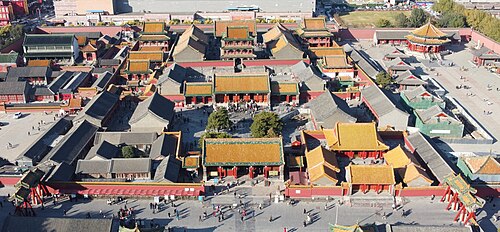
- Mukden Palace17th century · #286 worldwide · #8 in China
Mukden Palace, or Shenyang Imperial Palace, is the former palace of the Later Jin dynasty and the early Qing dynasty.
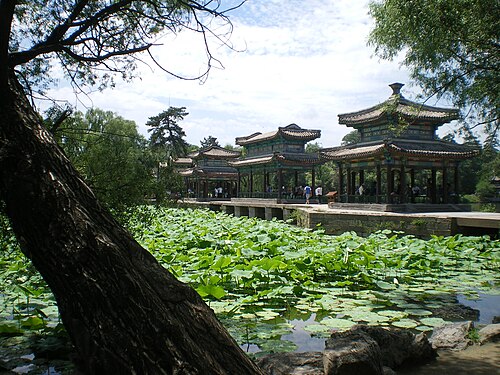
- Chengde Mountain Resort18th century · #302 worldwide · #9 in China
Chengde Mountain Resort is a large complex of imperial palaces and gardens situated in the Shuangqiao District of Chengde in northeastern Hebei…
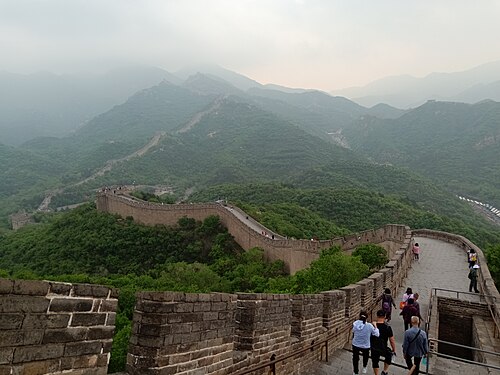
- Badaling16th century · #329 worldwide · #10 in China
Badaling is the site of the most visited section of the Great Wall of China, approximately 80 kilometers northwest of Beijing's city center, in…
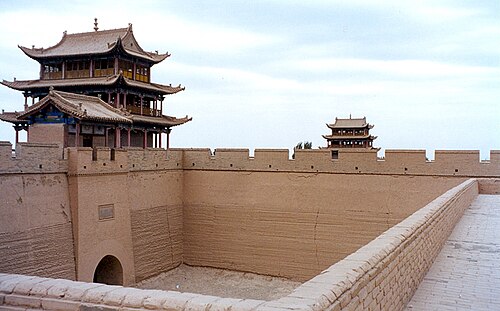
- Jiayuguan14th century · #355 worldwide · #11 in China
Jiayu Pass or is the first frontier fortress at the west end of the Ming dynasty Great Wall, near the city of Jiayuguan in Gansu province.
- Gaochang1st century BC · #392 worldwide · #12 in China
Gaochang, also called Khocho, Karakhoja, Qara-hoja, Kara-Khoja or Karahoja, was an ancient oasis city on the northern rim of the inhospitable…
- Norbulingka18th century · #13 in China
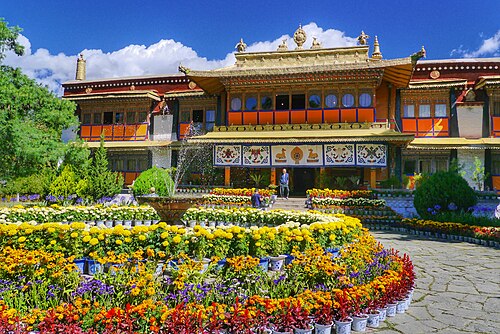
Norbulingka is a palace and surrounding park in Lhasa, Tibet built from 1755.
- Yumen Pass#14 in China
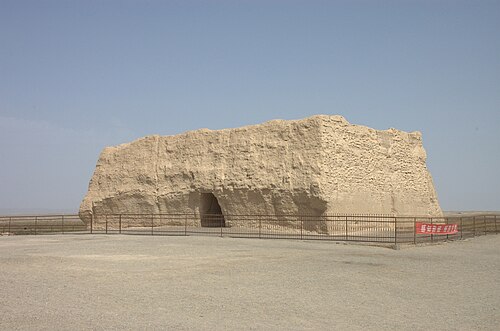
Yumen Pass, or Jade Gate or Pass of the Jade Gate, is the name of a pass of the Great Wall located west of Dunhuang in today's Gansu Province of…
- Fortifications of Xi'an14th century · #15 in China
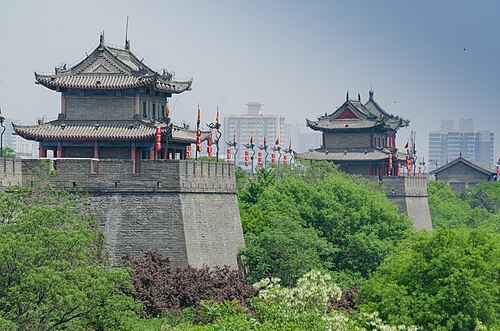
The fortifications of Xi'an in Shaanxi, also known as the Xi'an City Wall, represent one of the oldest, largest, and best preserved Chinese city…
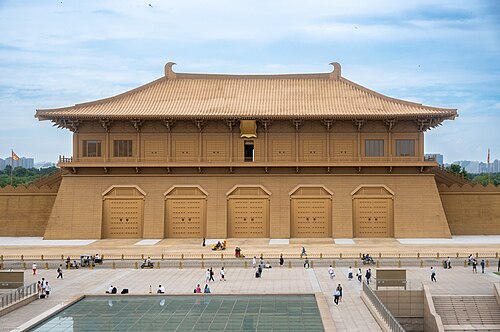
- Daming Palace7th century · #16 in China
The Daming Palace was the imperial palace complex of the Tang dynasty, located in its capital Chang'an.
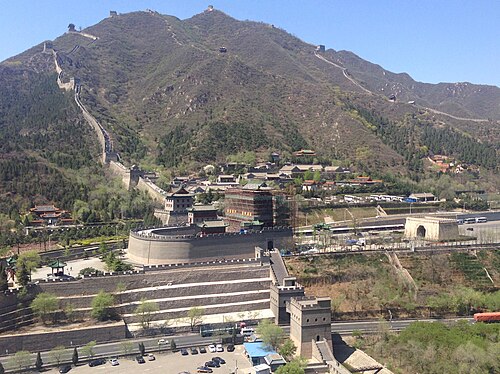
- Juyongguan#17 in China
Juyong Pass is a mountain pass located in the Changping District of Beijing Municipality, over 50 kilometers from central Beijing.
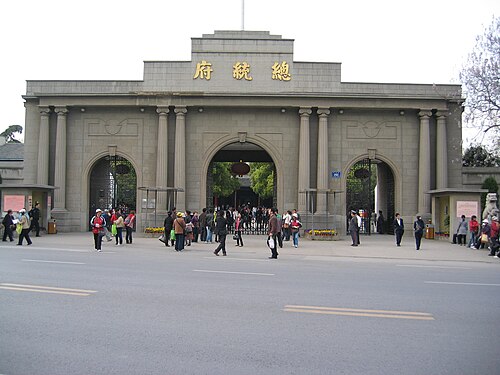
- Presidential Palace of Nanjing19th century · #18 in China
The Presidential Palace in Nanjing, Jiangsu, China, housed the Office of the President of the Republic of China from 1927 until the capital was…
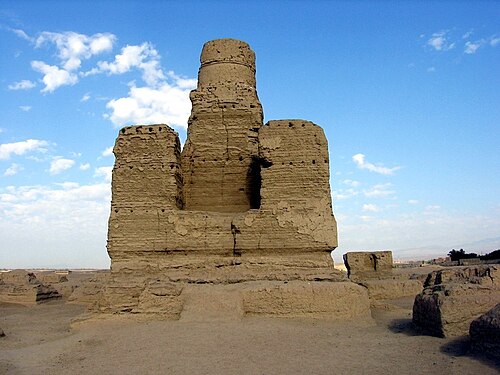
- Jiaohe Ruins2nd century BC · #19 in China
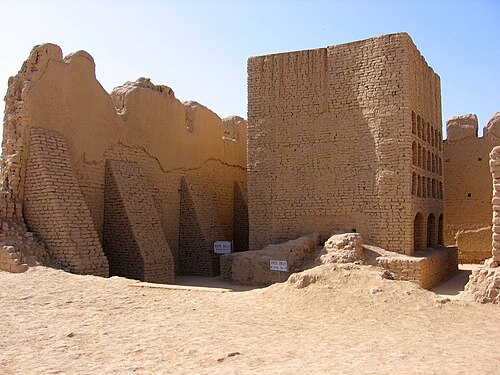
The Jiaohe ruins, known by the local Uyghur populace as Yarghul, is a ruined city in the Yarnaz Valley, 10 km west of the city of Turpan in Xinjiang,…
- Prince Gong's Mansion18th century · #20 in China
Prince Gong's Mansion, also known as the Prince Kung Mansion, is a museum and tourist attraction located in Xicheng District, Beijing, just north of…
- Mutianyu15th century · #21 in China
Mutianyu is a section of the Great Wall of China located in Huairou District within the city limits of Beijing 70 kilometers northeast of the center…
- Taku Forts16th century · #22 in China
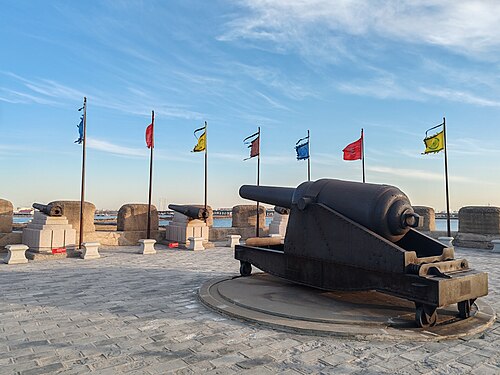
The Taku Forts or Dagukou Forts, also called the Peiho Forts are forts located by the Hai River estuary in the Binhai New Area, Tianjin, in…
- Yanmen Pass#23 in China
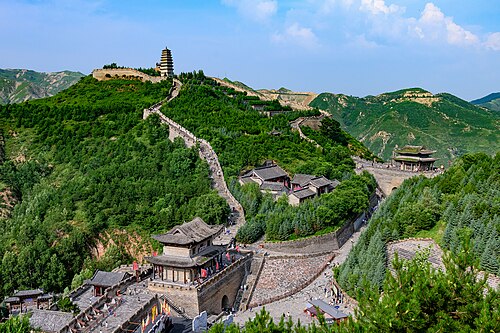
Yanmen Pass, also known by its Chinese name Yanmenguan and as Xixingguan, is a mountain pass which includes three fortified gatehouses along the…
- Beijing city fortifications15th century · #24 in China
The Beijing city fortifications were a system of walls with towers and gates constructed in the city of Beijing, China in the early 1400s and mostly…
- Jinshanling16th century · #25 in China
Jinshanling is a section of the Great Wall of China located in the mountainous area in Luanping County, Chengde, Hebei Province, 125 km northeast of…
- City Wall of Nanjing14th century · #26 in China
The City Wall of Nanjing was designed by the Hongwu Emperor after he founded the Ming Dynasty and established Nanjing as the capital in 1368.
- Palace of Heavenly Purity#27 in China
The Palace of Heavenly Purity, or Qianqing Palace is a palace in the Forbidden City in Beijing, China.
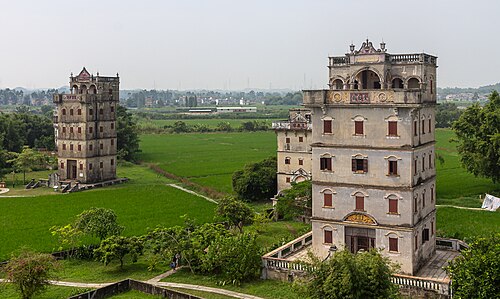
- Kaiping Diaolou17th century · #28 in China
Kaiping Diaolou and villages are famous throughout the world for their watchtowers and associated villages; located in the countryside of Kaiping…
- Tong Pass2nd century · #29 in China
Tongguan, or Tong Pass, was a former mountain pass and fortress located south of the confluence of the Wei and Yellow Rivers, in today's Tongguan…
- Diaoyu Fortress
#30 in China
The Diaoyucheng, or Diaoyu Fortress, is a fortress located on the Diaoyu Mountain in Hechuan District, Chongqing, across the Jialing River from the…
- Yangguan
2nd century BC · #31 in China
Yangguan, or Yangguan Pass, is a mountain pass that was fortified by Emperor Wu of the Western Han dynasty around 120 BC and used as an outpost in…
- Ming Palace
14th century · #32 in China
The Ming Palace, also known as the "Forbidden City of Nanjing", was the 14th-century imperial palace of the early Ming dynasty, when Nanjing was the…
- Hushan Great Wall
15th century · #33 in China
The Hushan or Tiger Mountain Great Wall, is a section of the Ming Great Wall in Kuandian Manchu Autonomous County, Liaoning, China.
- Simatai
6th century · #34 in China
Simatai, a section of the Great Wall of China located in the north of Miyun District, 120 km northeast of the city center of Beijing, holds the…
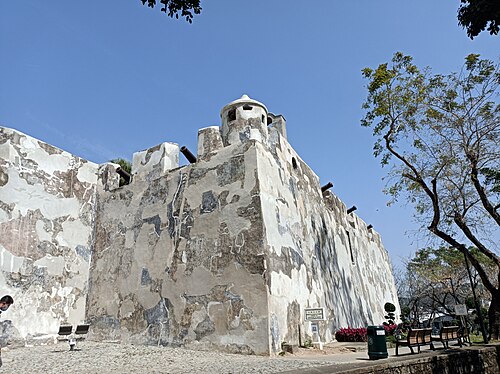
- Fortaleza do Monte
17th century · #35 in China
The Fortaleza do Monte is a fort in Santo António in Macau. It is the historical military centre of Macau.
- Great Wall of Qi
5th century BC · #36 in China
The Great Wall of Qi is the oldest existing Great Wall in China. Textual records on bamboo state that construction of the wall started in 441 BC by…
- Wanping Fortress
17th century · #37 in China
Wanping Fortress, also known as Wanping Castle, is a Ming Dynasty fortress or "walled city" in Fengtai District, Beijing.
- Tongwan
5th century · #38 in China
Tongwancheng was the capital of the Xiongnu-led Hu Xia dynasty in northern China during the Sixteen Kingdoms period in the early 5th century.
- Tsaparang
#39 in China
Tsaparang was the capital of the ancient kingdom of Guge in the Garuda Valley, through which the upper Sutlej River flows, in Ngari Prefecture near…
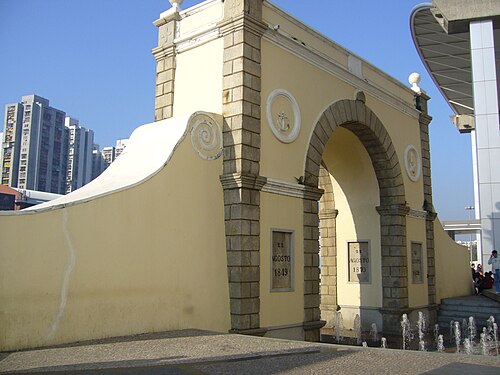
- Portas do Cerco
19th century · #40 in China
The Portas do Cerco is an area in Nossa Senhora de Fátima, Macau, China. Located on the northern tip of the Macau Peninsula, it is known by the…
- Yungbulakang Palace
7th century · #41 in China
Yumbulagang or Yumbu Lakhar is the original palace of the Yarlung kings of Tibet.
- Guia Fortress
17th century · #42 in China
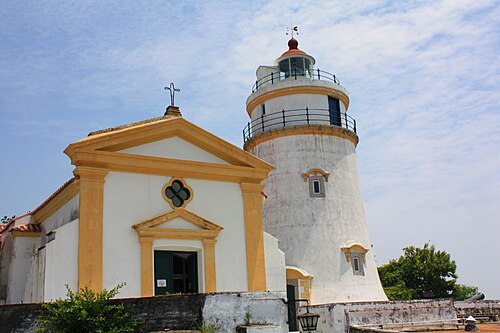
The Guia Fortress is a 17th-century colonial military fort, chapel, and lighthouse complex in São Lázaro, Macau.
- Chaotian Palace
#43 in China
The Chaotian Palace is located in Nanjing, China. It was built as an imperial palace in the Ming dynasty, and today it is known as the Nanjing…
- Jiankou
14th century · #44 in China
Jiankou is a section of the Great Wall of China. In English, 'Jiankou' is translated to 'Arrow Nock' as the shape of the mountain resembles an arrow…
- Hailongtun
13th century · #45 in China
Hailongtun is a ruined fortress on the Longyan Mountain, in Hailongtun Village, Gaoping Town, Zunyi City, Guizhou Province, China.
- Zhenhai Tower
14th century · #46 in China
The Zhenhai Tower, also known as the Five-Story Pagoda, is a tower in Guangzhou, Guangdong. It is located in Yuexiu Park, in central Guangzhou.
- Suoyang City
3rd century · #47 in China
Suoyang City, also called Kuyu, is a ruined Silk Road city in Guazhou County of Gansu Province in northwestern China.
- Kat Hing Wai
17th century · #48 in China
Kat Hing Wai is a Punti walled village in the Yuen Long District of Hong Kong.
- Gyantse Dzong
14th century · #49 in China
Gyantse Dzong or Gyantse Fortress is one of the best preserved dzongs in Tibet, perched high above the town of Gyantse on a huge spur of grey brown…
- Tung Chung Fort
12th century · #50 in China
Tung Chung Fort is a fort located near Tung Chung, on Lantau Island, in Hong Kong.
- Miaojiang Great Wall
16th century · #51 in China
The Miaojiang Great Wall is a series of fortifications in Southern China. It is located in the present-day Xiangxi Autonomous Region of Tujia and…
- Stanley Fort
19th century · #52 in China
Stanley Fort is both an area and a fort on Hong Kong Island in Hong Kong, situated at the southern end of Stanley Peninsula, near the town of Stanley.
- Weiyuan Fort
19th century · #53 in China
Weiyuan Fort is a coastal-defense fort, now in ruins, in Humen, Dongguan city, Guangdong province, China.
- Fan Lau Fort
18th century · #54 in China
Fan Lau Fort is a former military fortification located on Lantau Island in Hong Kong.
- Pinewood Battery
20th century · #55 in China
Pinewood Battery is a historic military site in Hong Kong, located 307 metres above sea level, within Lung Fu Shan Country Park, in the northwestern…
- Shigatse Dzong
16th century · #56 in China
The Shigatse Dzong, also known as Samdruptse Dzong, is located in Shigatse, Tibet, China. It is spelt Rikaze Dzong.
- Yongtai Fortress
17th century · #57 in China
Yongtai Fortress is a village and historical fortress town in Sitan Township, Jingtai County, Baiyin City, Gansu, China.
- Tuan Cheng Fortress
18th century · #58 in China
The Tuancheng Fortress or Tuan Cheng Fortress is a historic 18th-century fortress located near the Fragrant Hills in the Haidian District of Beijing,…
- Tung Chung Battery
19th century · #59 in China
Tung Chung Battery is a former artillery battery located on Lantau Island in Hong Kong.
- Laosicheng
12th century · #60 in China
Laosicheng is an archaeological site in Sicheng Village of Lingxi Town, Yongshun County, Hunan Province, China.
- Section of the Old City Walls of Macau
16th century · #61 in China
- Zijingguan
#62 in China
- Tung Lung Fort
18th century · #63 in China
- Fortaleza de Mong Há
19th century · #64 in China
- Fort São Tiago da Barra
17th century · #65 in China
- Changmen
#66 in China
- Murray Battery
19th century · #67 in China
- Taipa Fortress
19th century · #68 in China
- Pingyao City Wall
#69 in China
- Shing Mun Redoubt
#70 in China
- Fort Dona Maria II
19th century · #71 in China
- Xiuying Fort
19th century · #72 in China
- Fort São Francisco
17th century · #73 in China
- Taktsé Castle
#74 in China
- Chongwu City
#75 in China
- City Walls of Zhaoqing
#76 in China
- Shou County City Wall
#77 in China
- Jinxianmen Gate Tower
17th century · #78 in China
- Yangzuomie City Ruins
#79 in China
- Zhongjiabao Fortress
16th century · #80 in China
- Gonghuacheng
#81 in China
- Chiwan Left Fort
#82 in China
- Huaiyuan Lou
#83 in China
- Zhenchenglou
20th century · #84 in China
- City Wall of Xiangcheng
#85 in China
- Quzhou city walls
#86 in China
- Yanyi Wei
17th century · #87 in China
- City walls in Shangqiu
16th century · #88 in China
- Yi'an Fortress
17th century · #89 in China
- Tai'an Lou
18th century · #90 in China
- Zhenbeitai
#91 in China
- Qiantangmen
#92 in China
- Weiyuan Fortress
16th century · #93 in China
- Great Wall of China at Huanghuacheng
#94 in China
- Southeast Corner Tower of Beijing Outer City
#95 in China
- Ping Men
#96 in China
- Taishun Tulou
#97 in China
- Qingbomen
#98 in China
- Anyuan Fort
19th century · #99 in China
- Dongsheng Wei
19th century · #100 in China
- Qingtaimen
#101 in China
- Yanxiang Lou
19th century · #102 in China
- Hongyuan Fort
19th century · #103 in China
- Yuzaitan Wei
#104 in China
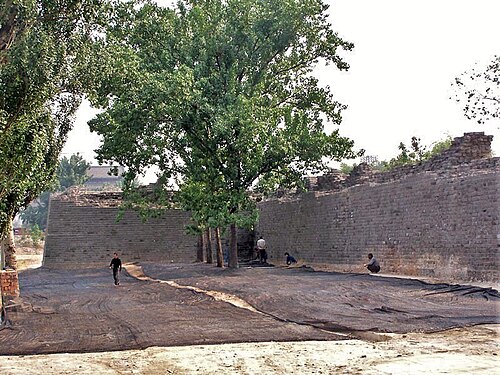
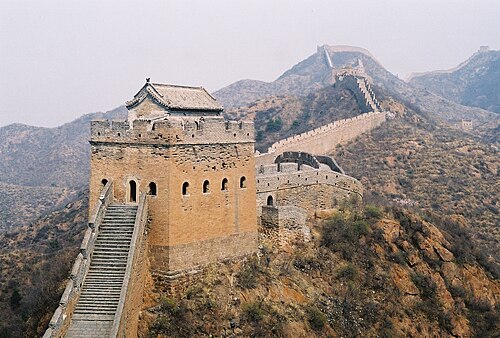
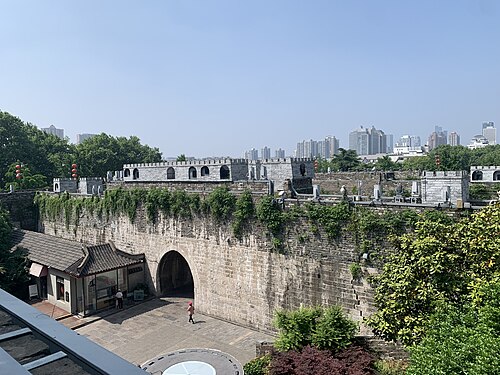
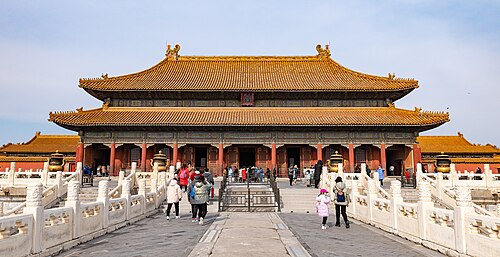
Map of castles in China
On the map they cluster thickest around Zhongshan: 21 within a 100 km day trip, then Hong Kong (20) and Shenzhen (20). The northernmost is Jiaohe Ruins, the southernmost Xiuying Fort.
- Castles near BeijingLandmarks 16
- Castles near ShenzhenLandmarks 20
- Castles near Hong KongLandmarks 20
- Castles near ZhuhaiLandmarks 20
- Castles near ZhongshanLandmarks 21

When they were built
Of the 104 landmarks mapped in China, 73 carry a sourced founding date. Most were founded in the 19th century: 14 of them. 28 predate 1500 and 24 were built after 1700.
Frequently asked questions
How many castles are in China?
The Castle Map atlas maps 104 landmarks (12 castles · 57 fortresses · 11 palaces & châteaux · 24 ruins) in China: a curated selection of well-documented landmarks from Wikidata, not a count of every fortification ever built.
What is the most famous castle in China?
Great Wall of China, ranked #1 of 9,902 worldwide in the atlas's fame ranking, founded in the 7th century BC.
Where are most of the castles in China?
They cluster thickest around Zhongshan: 21 of the atlas's landmarks within 100 km, then Hong Kong (20) and Shenzhen (20).
Which castles in China are UNESCO World Heritage Sites?
Per Wikidata, 20 of the mapped landmarks hold a UNESCO World Heritage designation, inscribed in their own right or as part of an inscribed ensemble: Forbidden City, Potala Palace, Summer Palace, Shanhai Pass, Fujian Tulou, Mukden Palace, Chengde Mountain Resort, Badaling, Jiayuguan, Norbulingka and 10 more.