 India · 18th century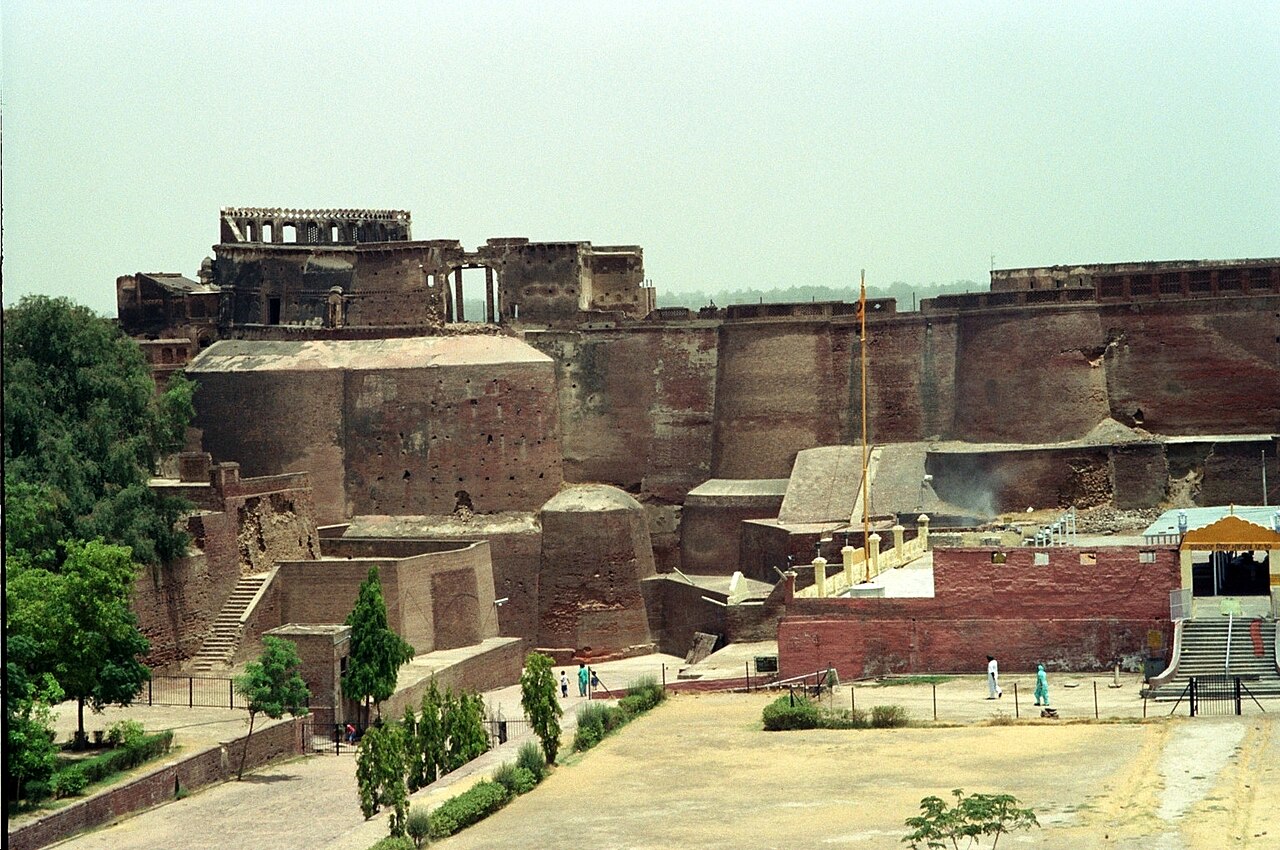
Qila Mubarak, also known as Gobindgarh or Bathinda Fort, is a historical monument in the heart of the city of Bathinda in Punjab, India. It is recognised as monument of national importance and maintained by Archaeological Survey of India. It has been in existence from 1100 to 1200 AD in its current place and is the oldest surviving fort in India. It was here that Razia Sultan, the first woman to take charge of the Delhi throne was incarcerated upon her defeat and dethroned. The bricks of the fort date back to the Kushana period when emperor Kanishka ruled over Northern India/Bactria. Raja Dab, along with emperor Kanishka, is believed to have built the fort. Qila Mubarak in latter part of the 10th Century was under the rule of Jayapala, a ruler of the Hindu Shahi dynasty. Much of the fortress is closed-off to the public, aside from lawns and the gurdwaras.
Text adapted from “Qila Mubarak, Bathinda” on Wikipedia, CC BY-SA 4.0.
Qila Mubarak ranks #1,306 of 9,079 worldwide in the atlas's castle fame ranking, and #51 of the 224 mapped in India. Founded 1763, it is older than 15% of the atlas's dated landmarks — one of 696 atlas entries founded in the 18th century. Its Wikipedia articles were opened 3,624 times in the last 60 days, more than 81% of the atlas. See how India compares in the castle statistics.
View on the interactive castle map →