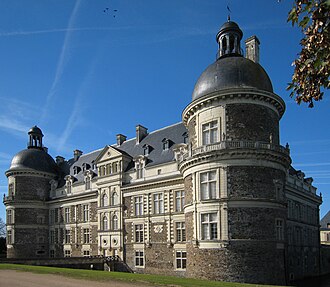
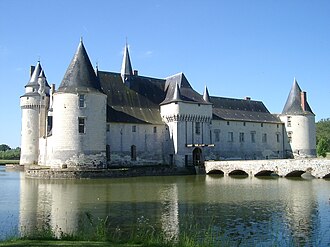
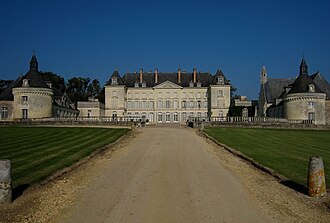
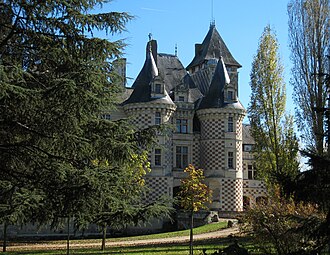
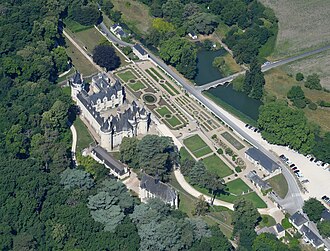
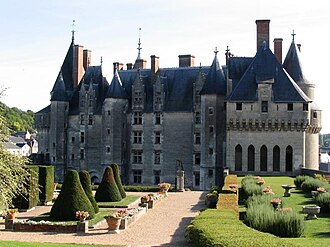
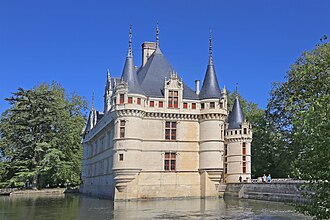
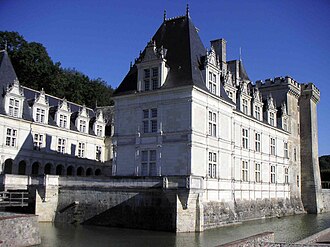
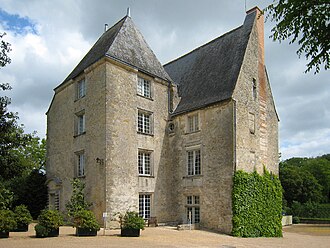
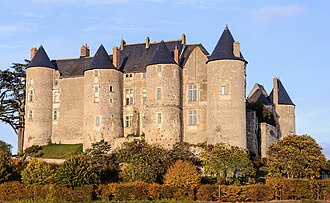
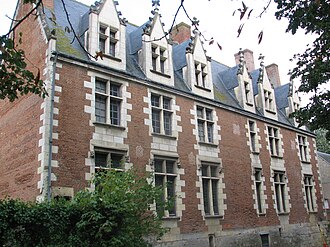
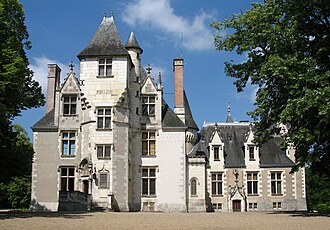
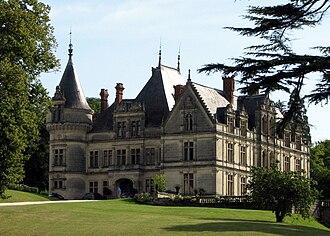
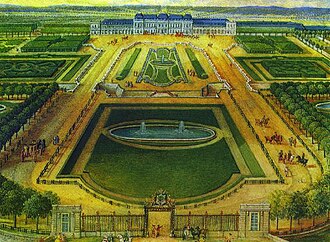
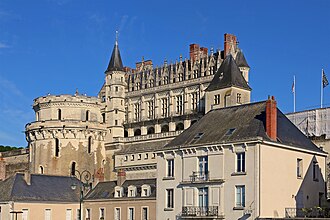
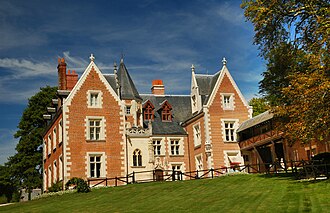
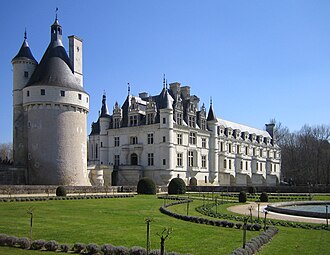
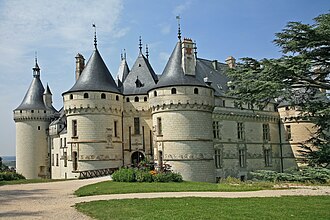
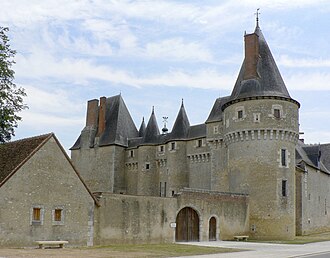
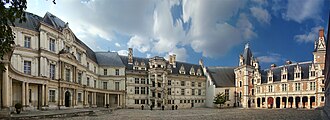
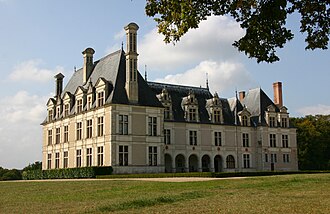
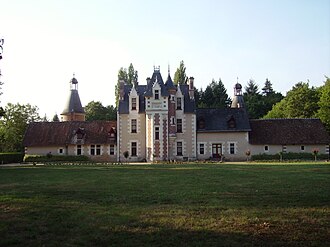
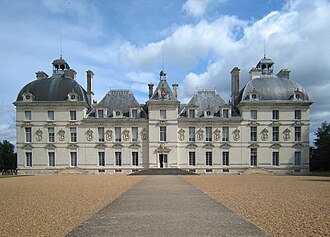
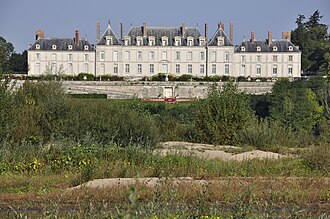
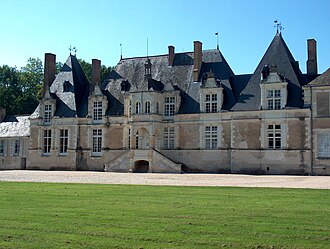
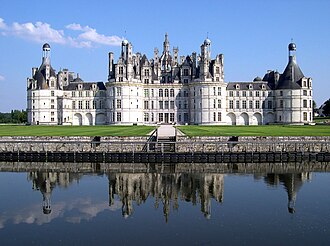
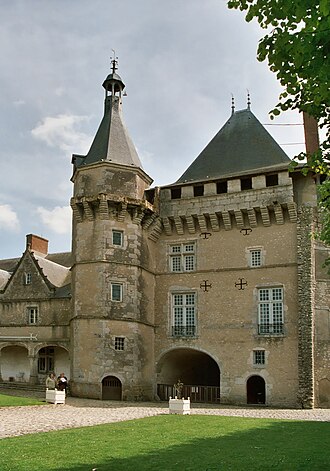
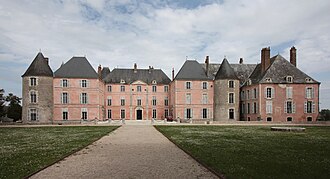
The Loire is where the French castle stopped being a fortress and became a house. The valley was the seat of the court through the 15th and 16th centuries, and the money that had gone into walls went into windows, galleries and gardens instead: Chambord alone has 440 rooms and a double-helix staircase attributed to Leonardo, who died a few kilometres away at Amboise. The stretch from Sully-sur-Loire to Chalonnes has been a UNESCO World Heritage Site since 2000.
What this atlas maps on the Loire Valley château route
They are the 32 best known of the 46 landmarks this atlas maps within 24 km of the line, spanning 9th century to 18th century.
The best known is Château de Chambord, ranked 27 of the 9,035 landmarks in the atlas by Wikipedia presence and real readership. The oldest is Château d'Angers, founded c. 850.
The route runs through France. The same ground, without the itinerary: Castles in the Loire Valley.
Travelling it
The valley is flat, and the Loire à Vélo cycle route runs its whole length on marked paths; by car the D952 and D751 take the two banks. Tours sits in the middle, and nothing here is more than an hour or two from it.
Day-trip guides for the towns and cities along it: Angers · Tours · Orléans · Blois.
See the route on the map →