Twierdza
Gingee Fort
🇮🇳 Indie · XI wiek
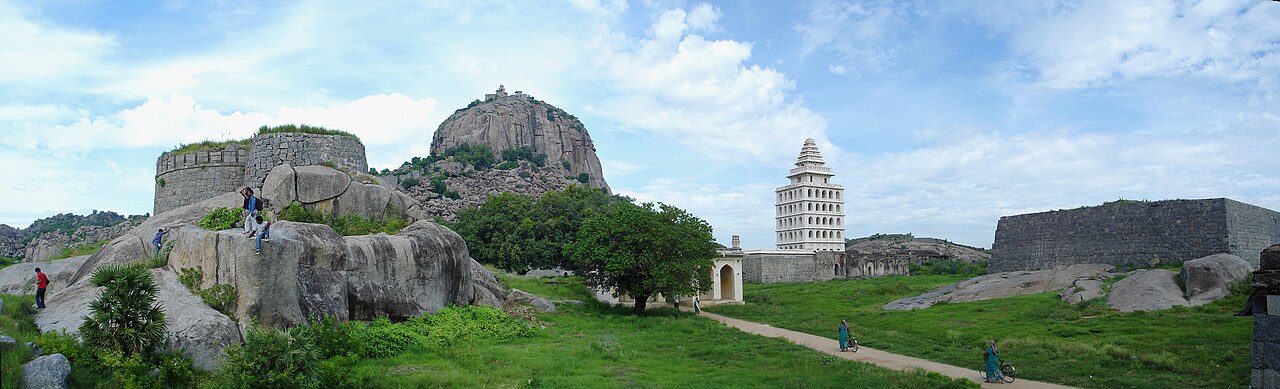
Fort Gingee, czyli Fort Senji (znany też jako Chenji, Chanchi, Jinji lub Senchi) w stanie Tamilnadu w Indiach, to jeden z zachowanych fortów w tym stanie. Jest powszechnie znany jako Wielki Mur Południowych Indii. Leży w dystrykcie Villupuram, 160 kilometrów (99 mil) od stolicy stanu, Ćennaju, w pobliżu terytorium związkowego Puducherry. Uznawany jest za „najbardziej niezdobytą twierdzę Indii” i był nazywany przez Brytyjczyków „Troją Wschodu”.
Pierwotnie wspomniany jako terytorium naczelnika Kadava, noszącego tytuł Senjiyar Kon, w utworze Moovarula autorstwa Ottakoothara, około 1123 roku n.e. Fort pierwotnie zbudował Ananda kon około XI wieku n.e. Fort zbudowano jako strategiczne miejsce do odpierania najeżdżających armii. Według jednej relacji fort dodatkowo ufortyfikowano w XV–XVI wieku. Fort zdobyto dla Swarajji przez Subedara Harjiego Rajemahadika dla marathów pod dowództwem Śiwadźiego w 1677 roku n.e. Następnie zdobyli go sułtani Bijapuru, Mogołowie, nababowie karnatyccy, Francuzi i ostatecznie Brytyjczycy w 1761 roku. Fort ściśle wiąże się z postacią radży Teja Singha, który nieudanie zbuntował się przeciw nababowi Arcotu i ostatecznie zginął w bitwie.
Kompleks Fortu Gingee rozłożony jest na trzech wzgórzach: Krysznagiri na północy, Radźagiri (zwanej też Anandagiri) na zachodzie oraz Czakilidurg na południowym wschodzie. Trzy wzgórza tworzą razem zespół fortyfikacyjny, z których każde posiada oddzielną i samodzielną cytadelę. Mury fortu mają 13 km (8,1 mili) długości, a trzy wzgórza łączą mury obejmujące obszar 11 kilometrów kwadratowych (4,2 mili kw.). Fort zbudowano na wysokości 800 stóp (240 m) i chroniła go fosa szeroka na 80 stóp (24 m). W kompleksie znajduje się siedmiokondygnacyjny Kalyana Mahal (sala ślubna) z piramidalną wieżą (shikharą) na szczycie, spichlerze, cele więzienne oraz świątynia poświęcona bogini opiekuńczej twierdzy, Chenjiamman.
Tłumaczenie maszynowe artykułu „Gingee Fort” w angielskiej Wikipedii, CC BY-SA 4.0.
Gingee Fort zajmuje 963. miejsce na 8134 w rankingu rozpoznawalności zamków tego atlasu i 35. wśród 179 obiektów w Indiach. Data powstania — ok. 1050, wcześniejsza niż u 90% datowanych obiektów atlasu — jeden z 325 obiektów atlasu powstałych w XI wieku. Artykuły o tym obiekcie w Wikipedii otwarto 10 893 razy w ciągu ostatnich 60 dni — więcej niż 93% obiektów atlasu. Zobacz w statystykach zamków, jak wypada Indie.
Zobacz na interaktywnej mapie zamków →Najczęstsze pytania
Gdzie znajduje się Gingee Fort?
Gingee Fort znajduje się w Indiach, na współrzędnych 12.25083°, 79.39583°.
Z którego roku pochodzi Gingee Fort?
Atlas podaje rok powstania: ok. 1050. Wcześniejsze budowle mogły stać w tym miejscu — to najstarszy udokumentowany rok.
Czy Gingee Fort jest na liście UNESCO?
Tak — według Wikidanych obiekt wchodzi w skład miejsca światowego dziedzictwa UNESCO.
Które miejsce w rankingu zajmuje Gingee Fort?
W rankingu rozpoznawalności tego atlasu: 963. miejsce na 8134, 35. miejsce w Indiach. Rozpoznawalność łączy liczbę wersji językowych Wikipedii z liczbą czytelników.
Gingee Fort — który zamek leży najbliżej?
Fort St. David, około 70 km stąd.
Inne zamki w Indiach
- Khānderi Island Indie
- Harishchandragad Indie
- Kangla Fort Indie
- Bekal Fort Indie · XVII wiek
Inne obiekty: twierdze
- Akronauplia Grecja
- Fort Frontenac Kanada · XVII wiek
- Twierdza w Sagres Portugalia · XV wiek
- Fort Amsterdam (Ghana) Ghana · XVII wiek